Luxor is not a single sightseeing area. The city is naturally divided by the Nile into two distinct zones: the East Bank and the West Bank. Travelers who understand this division early usually enjoy a smoother, more logical experience. Those who ignore it often feel rushed, confused, or physically exhausted.
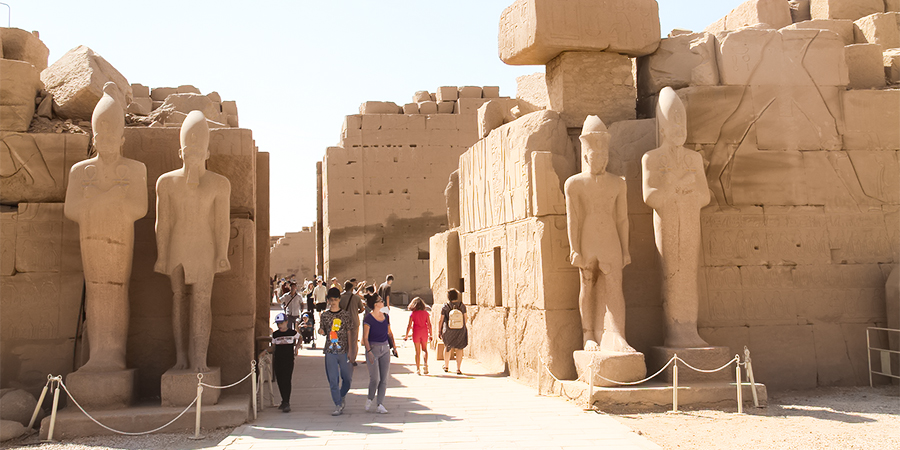
Experienced travelers treat the East Bank and West Bank as two separate journeys rather than parts of the same day.
Understanding the Difference Between East Bank and West Bank
The East Bank traditionally represents life and daily activity. It is home to massive temple complexes located close to the city, such as Karnak Temple and Luxor Temple. These sites are more accessible, involve less walking between locations, and work well later in the day.
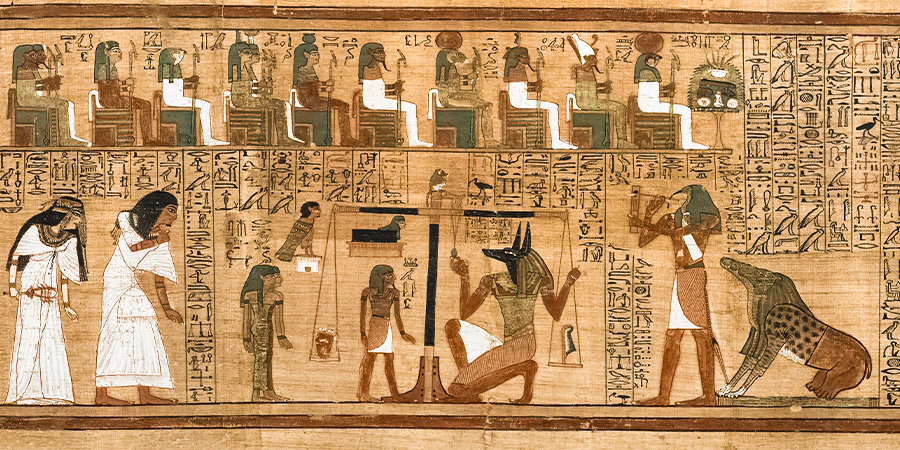
The West Bank, on the other hand, represents death and the afterlife. It includes tombs, mortuary temples, and large open archaeological areas. Visiting the West Bank requires more walking, more exposure to the sun, and more physical energy.
Why Mixing Both Banks Creates Problems
One of the most common planning mistakes is trying to combine East Bank and West Bank visits randomly. This leads to unnecessary driving, poor timing, and fatigue. Heat and crowds often peak during midday, making mixed itineraries uncomfortable.
Experienced travelers never visit the West Bank during the hottest hours of the day if they can avoid it.
How to Plan the West Bank the Right Way
The West Bank is best visited early in the morning. Starting early allows travelers to explore tombs and temples before heat and crowds build up. A focused West Bank morning usually includes two or three major sites rather than everything at once.
Because the West Bank is mentally and physically intense, seasoned travelers avoid stacking too many stops. They prioritize understanding over volume and leave space for explanation and rest.
How to Plan the East Bank the Right Way
The East Bank works well in the afternoon or early evening. Temples are closer together, lighting improves later in the day, and temperatures become more manageable. Evening visits to Luxor Temple, in particular, offer a calmer and more atmospheric experience.
The East Bank is also easier to explore at a relaxed pace, making it ideal after a demanding West Bank morning or as a standalone experience.
How Many Days Should You Separate Them?
For most travelers, separating the East Bank and West Bank across different days creates the best flow. If time is limited, combining them can work—but only with careful timing and reduced expectations.
Experienced travelers prefer to dedicate at least half a day to each side to maintain comfort and focus.
Why Understanding This Division Changes Everything
When travelers respect the natural structure of Luxor, the city feels organized rather than chaotic. Energy levels stay balanced, explanations feel clearer, and the experience becomes more enjoyable.
Luxor rewards travelers who move with its rhythm instead of fighting it.
Related Experiences in Luxor :-
• East Bank guided temple tours
• West Bank Luxor tours with early starts
• Private guided itineraries separating both banks
Plan Luxor by treating the East Bank and West Bank as two distinct experiences and enjoy a journey that feels logical, calm, and rewarding.