Modern travel often encourages speed.
See more.
Move faster.
Fit as much as possible into limited time.
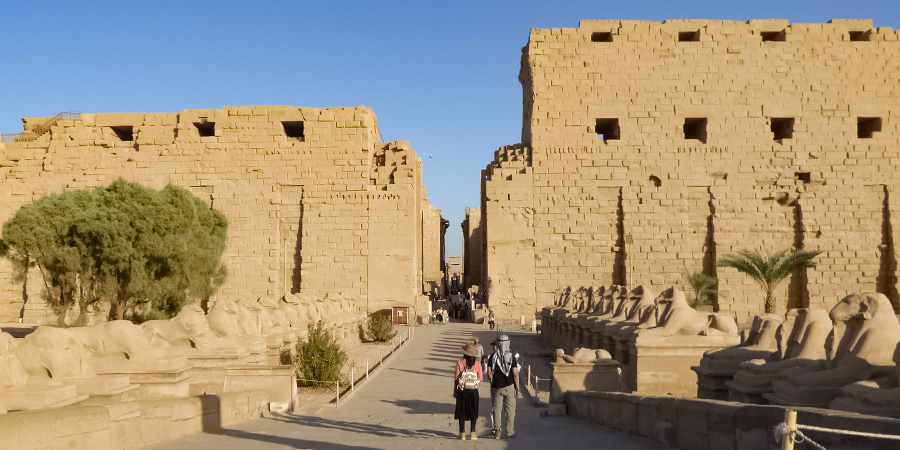
For many destinations, this approach can work reasonably well.
But Upper Egypt is different.
And travelers who approach it with the same fast-paced mindset often leave with a weaker experience than they expected.
Not because the destination disappointed them.
But because they moved through it in the wrong way.
Upper Egypt Includes More Than Attractions
When people think about Upper Egypt, they often focus on landmarks.
Places such as:
• Luxor
• Aswan
• Dendera
• Abydos
Are treated as individual stops on a checklist.
But this region is not experienced as disconnected attractions.
It is experienced as rhythm.
And rhythm changes everything.
The Difference Between Consuming a Destination and Experiencing It
Fast travel treats destinations as content.
You arrive.
You observe.
You photograph.
You move on.
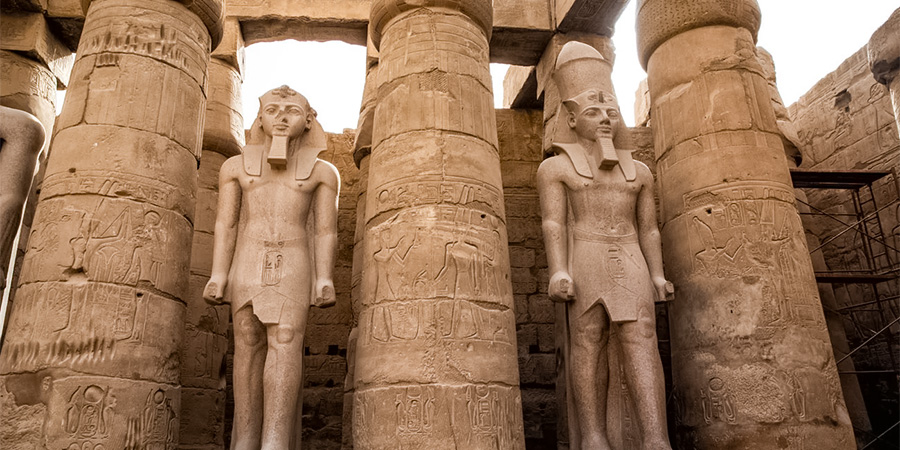
Slow travel works differently.
It allows:
• Attention
• Recovery
• Observation
• Emotional connection
This distinction matters especially in Upper Egypt because the environment itself influences how the experience feels.
Why Upper Egypt Punishes Speed
Some destinations are designed for convenience.
Upper Egypt is not.
The region naturally includes:
• Long walking distances
• Heat exposure
• Physically large sites
• Mental concentration
Trying to move too quickly through these conditions creates predictable results:
• Fatigue
• Reduced focus
• Irritation
• Emotional disconnection
Speed turns extraordinary places into exhausting tasks.
Why Travelers Mistake Movement for Value
There is a common psychological assumption in travel:
“If I visited more places, I got more value.”
This feels logical.
But in Upper Egypt, movement often creates the illusion of productivity while reducing the quality of the actual experience.
A traveler may visit:
• Four major sites in one day
And remember almost nothing clearly afterward.
Another traveler may visit:
• Two carefully chosen places
And remember the day vividly for years.
Value is not measured by movement.
It is measured by depth.
Why Ancient Spaces Need Time
Ancient environments are not like modern attractions.
They are spatial experiences.
You do not fully absorb places like:
• Karnak
• Valley of the Kings
• Dendera Temple
In a rushed mental state.
These places reveal more when:
• Walking slows
• Attention stabilizes
• Distraction decreases
Speed prevents this from happening.
The Environmental Reality of Upper Egypt
Upper Egypt is not just culturally different.
It is physically demanding in ways travelers often underestimate.
The combination of:
• Climate
• Open spaces
• Transportation transitions
• Walking exposure
Means energy drains faster than expected.
And once energy declines:
• Curiosity decreases
• Emotional openness narrows
• Patience disappears
This is why pacing matters so much.
Slow Travel Protects Energy
One of the greatest benefits of slower travel is energy management.
Instead of using all available energy early, slower pacing allows:
• Better focus throughout the day
• Higher enjoyment
• More mental clarity
This changes how travelers interpret everything around them.
The exact same site feels different when experienced with energy versus exhaustion.
Why Slow Travel Feels More Luxurious (Even Without Luxury)
Luxury is often misunderstood as comfort products.
Hotels.
Vehicles.
Services.
But real travel luxury is often something simpler:
Space.
Time.
Flexibility.
Slow travel creates:
• Freedom from pressure
• Less constant decision-making
• More room to enjoy the moment
This often feels more luxurious than expensive upgrades.
The Difference Between Itinerary Density and Experience Quality
A packed itinerary may look impressive.
But impressive schedules often perform badly in reality.
Tightly structured days create:
• Continuous transitions
• Less spontaneity
• Higher fatigue
Well-paced days create:
• Better emotional engagement
• More satisfying memories
• A stronger sense of immersion
Travel quality improves when schedule density decreases.
Why Upper Egypt Is Ideal for Conscious Travelers
Upper Egypt works especially well for travelers who value:
• Presence
• Atmosphere
• Reflection
• Cultural immersion
Because the destination naturally encourages these experiences—if travelers allow it.
This is why:
• Slow travelers
• Thoughtful travelers
• Experience-focused travelers
Often connect deeply with the region.
The Psychological Shift Slow Travel Creates
Slowing down changes perception.
Instead of asking:
“What’s next?”
Travelers begin asking:
“What am I actually experiencing right now?”
That shift transforms the trip.
It changes:
• Memory formation
• Emotional response
• Sense of meaning
This is why slower journeys often feel more impactful.
Why Fast Itineraries Often Fail
Fast itineraries usually fail for predictable reasons:
• Overestimated energy capacity
• Underestimated environmental conditions
• Too much movement
• Not enough recovery
On paper, they seem efficient.
In reality, they create stress.
And stress weakens experience.
What a Better Upper Egypt Pace Looks Like
A healthier structure often includes:
• Fewer major sites per day
• Earlier starts
• Built-in flexibility
• Recovery between intensive experiences
This does not reduce value.
It increases it.
Final Thoughts
Upper Egypt is not a destination that rewards speed.
Its environments, atmosphere, and physical realities all favor a slower rhythm.
Fast itineraries often create the illusion of efficiency while reducing the emotional and experiential value of the trip.
Slow travel allows travelers to:
• Stay present
• Manage energy better
• Connect more deeply with the places they visit
And in Upper Egypt, that difference changes everything.
Related Experiences in Upper Egypt
• Flexible custom itineraries across Luxor and Aswan
• Private travel plans built around pacing and comfort
• Experience-focused journeys designed for deeper exploration
Move slower, and Upper Egypt often becomes far more memorable than travelers expect.