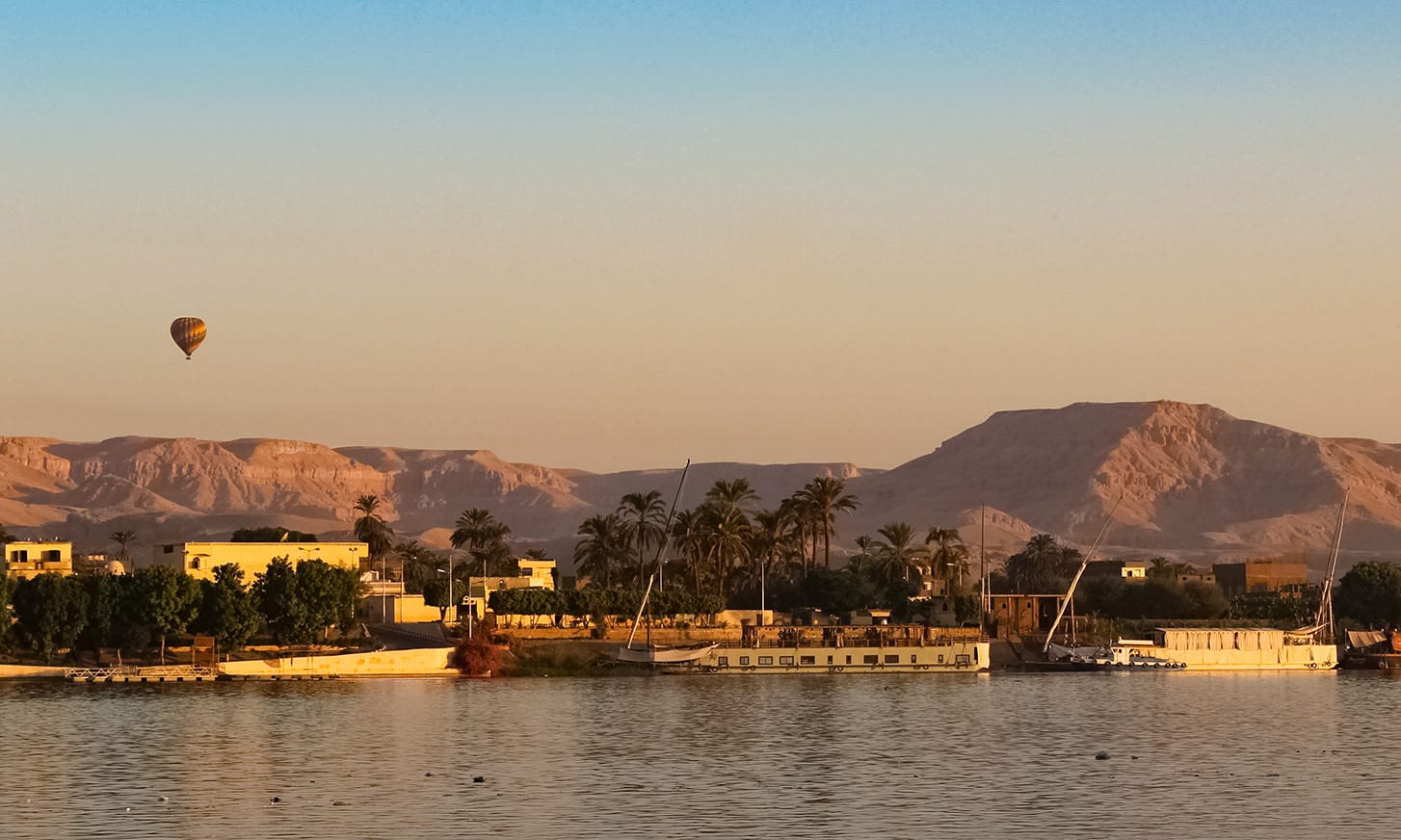








While most travelers visiting Luxor focus on the main temples and tombs, there is another site just outside the typical route that offers a completely different experience—Dendera Temple.
Located about 60 kilometers north of Luxor, Dendera is not just another ancient temple. For many visitors, it feels quieter, more contained, and noticeably different in atmosphere.
This difference is not accidental. It is connected to the purpose, design, and symbolism of the temple itself.
Understanding the spiritual meaning of Dendera helps explain why it leaves such a strong impression on those who visit it.
The Temple of Hathor: More Than a Structure
Dendera Temple is primarily dedicated to Hathor, one of the most important deities in ancient Egyptian belief.
Hathor was associated with:
• Harmony and balance
• Music and joy
• Healing and protection
Unlike many other temples focused on power or kingship, Dendera represents a softer and more human-centered aspect of ancient Egyptian life.
This focus creates a different emotional tone compared to other sites.
A More Complete and Preserved Space
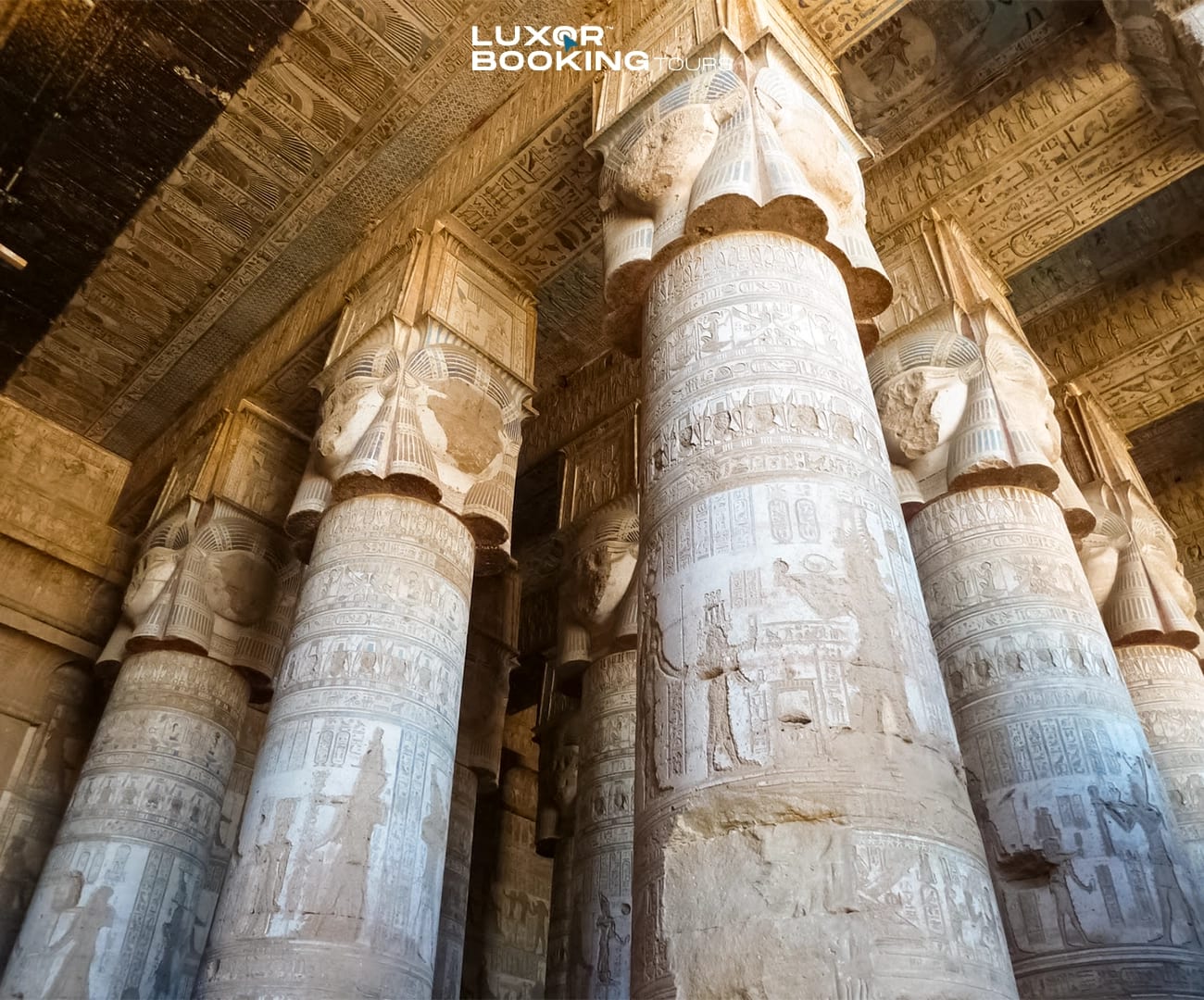
One of the first things visitors notice about Dendera is how well preserved it is.
Unlike other temples, much of Dendera:
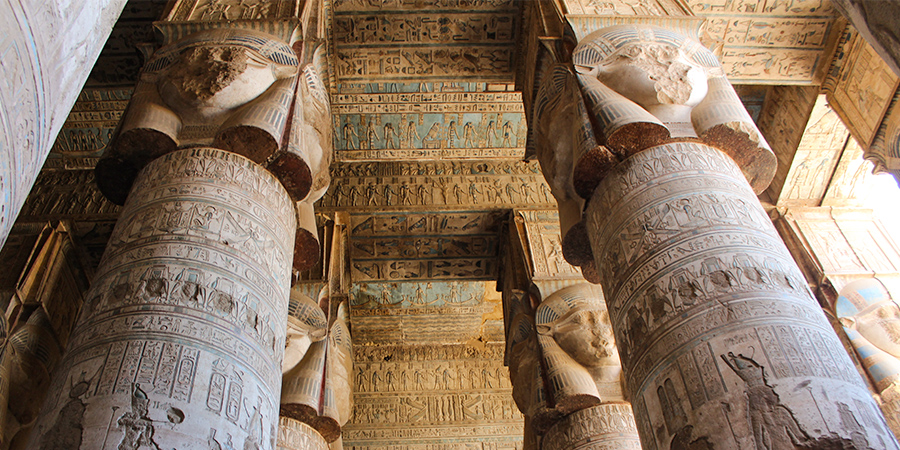
• Still has its roof intact
• Contains detailed carvings on ceilings and walls
• Maintains a more enclosed structure
This creates a more immersive environment.
Instead of moving through open ruins, you move through a defined space—almost like entering a different world.
The Feeling of Enclosure and Focus
Most temples in Luxor are large and open.
Dendera, however, feels:
• More contained
• More focused
• Less exposed to external noise and movement
This physical structure affects how the space is experienced.
The enclosed design reduces distractions and allows visitors to focus more on the details around them.
For many, this creates a stronger sense of presence.
Symbolism in the Ceiling and Walls
One of the most remarkable features of Dendera is its ceiling.
The temple includes:
• Astronomical carvings
• Symbolic representations of the sky
• Detailed scenes with layered meanings
These elements were not decorative—they were intentional.
They reflect how ancient Egyptians understood:
• Time
• Space
• The relationship between earth and sky
Standing beneath these ceilings often feels different from being in open-air temples.
It draws attention upward and inward at the same time.
Lighting and Atmosphere
Lighting plays a major role in how Dendera feels.
Because the temple is enclosed:
• Light enters in controlled ways
• Shadows are softer and more defined
• The environment feels calmer
This creates a more stable visual experience compared to the bright, open sunlight of other sites.
The result is a space that feels quieter and more grounded.
Distance from Main Tourist Routes
Another reason Dendera feels different is its location.
It is not part of the typical Luxor day route for many travelers.
This means:
• Fewer crowds
• Less noise
• More time and space to explore
The journey itself creates a separation from the busier parts of Luxor.
By the time you arrive, the environment already feels different.
A Slower Experience by Nature
Dendera naturally encourages a slower pace.
Visitors tend to:
• Spend more time inside the temple
• Move more slowly through the space
• Pay more attention to details
This is not something imposed—it happens naturally because of the environment.
In contrast, many other sites push visitors to move quickly.
How Dendera Differs from Karnak and Luxor Temple
Comparing Dendera to major Luxor sites highlights its uniqueness.
Karnak:
• Massive scale
• Open courtyards
• Constant movement
Luxor Temple:
• Central location
• More activity
• Strong visual contrast with the city
Dendera:
• Enclosed structure
• Quiet atmosphere
• More focused experience
Each offers something different, but Dendera stands out for its calm and contained nature.
When to Visit Dendera for the Best Experience
Timing is still important, even in a quieter location.
The best experience usually comes from:
• Early morning visits
• Avoiding peak group times
• Allowing enough time to explore slowly
Because the site is not rushed, giving yourself time makes a significant difference.
Combining Dendera with Other Sites
Dendera is often visited alongside other locations such as Abydos or as a dedicated day trip from Luxor.
However, it works best when:
• It is not combined with too many other stops
• You have time to explore without pressure
Rushing through Dendera removes what makes it special.
Common Misconception About Dendera
Some travelers expect Dendera to feel “mystical” or dramatically different.
In reality, the difference is more subtle.
It comes from:
• Design
• Preservation
• Atmosphere
Not from anything exaggerated or unrealistic.
Understanding this helps you appreciate the experience more clearly.
Final Thoughts
Dendera Temple is one of the most unique sites in Upper Egypt—not because it is the largest or most famous, but because of how it feels.
Its enclosed structure, detailed design, and calmer environment create an experience that stands apart from other temples.
For travelers looking to explore beyond the usual highlights, Dendera offers a more focused and immersive visit.
Related Experiences in Upper Egypt
• Private day trips from Luxor to Dendera
• Combined visits to Dendera and Abydos
• Flexible itineraries designed for slower exploration
Take the time to visit Dendera, and you may discover a side of Egypt that feels very different from the rest.