






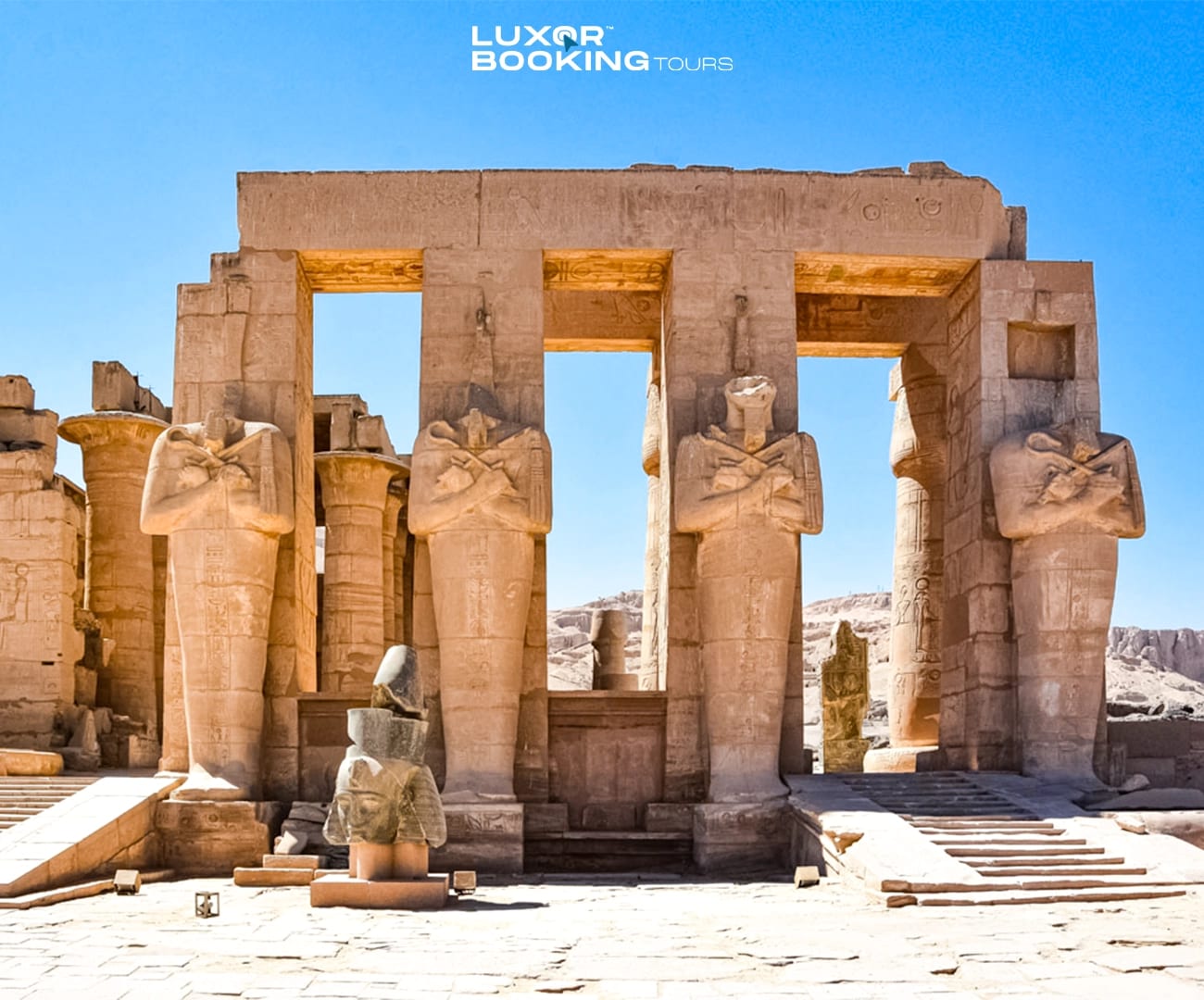


There are places you visit, and then there are places that change how you experience travel.
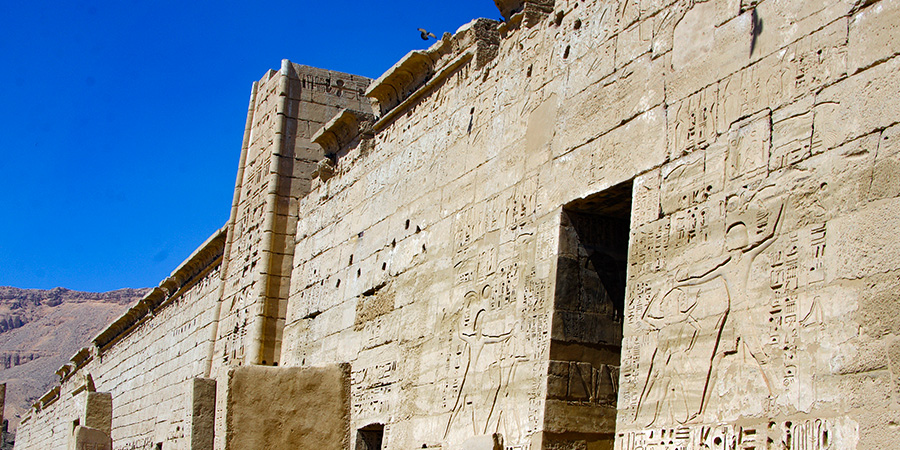
For many people, Luxor falls into the second category.
At first, it may not feel that way. You arrive expecting to see temples, take photos, and move on. But somewhere between the scale of the monuments, the heat, the silence of certain spaces, and the pace of the days, something shifts.
Luxor is not just about what you see. It is about how you experience it.
And that difference is what stays with you long after the trip ends.
The First Impression: Overwhelming, Not Magical
Most travelers don’t immediately feel anything “special” when they arrive in Luxor.
In fact, the first impression is often the opposite.
It feels:
• Hot
• Spread out
• Physically demanding
• Less polished than expected
And that’s where many people make a mistake.
They judge Luxor too early.
Because Luxor is not a place that reveals itself instantly.
It requires a different kind of attention.
The Moment It Starts to Feel Different
The shift usually doesn’t happen at the first site.
It happens later.
Sometimes:
• when you stop walking and stand still
• when you look up instead of just taking photos
• when the noise fades for a moment
You start to notice space.
And not just physical space—but mental space.
That’s when Luxor begins to feel different.
Why Luxor Feels “Heavy” for Some Travelers
A lot of travelers describe Luxor as intense.
Not in a negative way—but in a way that is hard to define.
This comes from a combination of factors:
• The scale of the temples makes you feel small
• The depth of history is difficult to process quickly
• The environment removes distractions
There is nothing softening the experience.
No filters. No shortcuts.
Just space, structure, and time.
And for some people, that feels heavy.
But for others, it feels real.
The Difference Between Seeing and Experiencing
You can visit Luxor in one day.
You can see the main sites, take pictures, and leave.
But that is not the same as experiencing Luxor.
Experiencing it means:
• slowing your pace
• staying longer in fewer places
• allowing time without constant movement
Most travelers don’t plan for that.
And that’s why they miss it.
Luxor is not designed for fast travel.
It rewards those who give it time.
Why Some People Don’t Connect With Luxor
Not everyone enjoys Luxor.
And that’s completely normal.
Usually, it comes down to one of these reasons:
• They rushed the visit
• They expected something more “entertaining”
• They didn’t understand what they were seeing
• They were physically exhausted
None of these are about Luxor itself.
They are about the way the experience was structured.
When the pace is wrong, Luxor feels tiring.
When the pace is right, Luxor feels meaningful.
The Role of Silence
One of the most overlooked aspects of Luxor is silence.
Not complete silence—but moments where everything slows down.
In large temple spaces, especially early in the day, you can feel it.
There is no urgency.
No pressure.
Just space.
And that is rare in modern travel.
That silence allows everything else to stand out.
Why Luxor Stays With You
Many destinations are easy to forget.
You remember the photos, maybe a few moments, and then you move on.
Luxor is different.
It stays with you because:
• it was not easy
• it required attention
• it changed your pace
Anything that changes your pace changes your perception.
And that’s why Luxor feels different even after you leave.
Final Thoughts
Luxor is not for everyone—and it’s not meant to be.
It is not a destination you rush through.
It is a place that asks for time, attention, and a different way of moving.
If you approach it like every other destination, it may feel exhausting.
But if you slow down, even slightly, it can become one of the most memorable parts of your entire trip.
And not because of what you saw.
But because of how it made you experience travel differently.