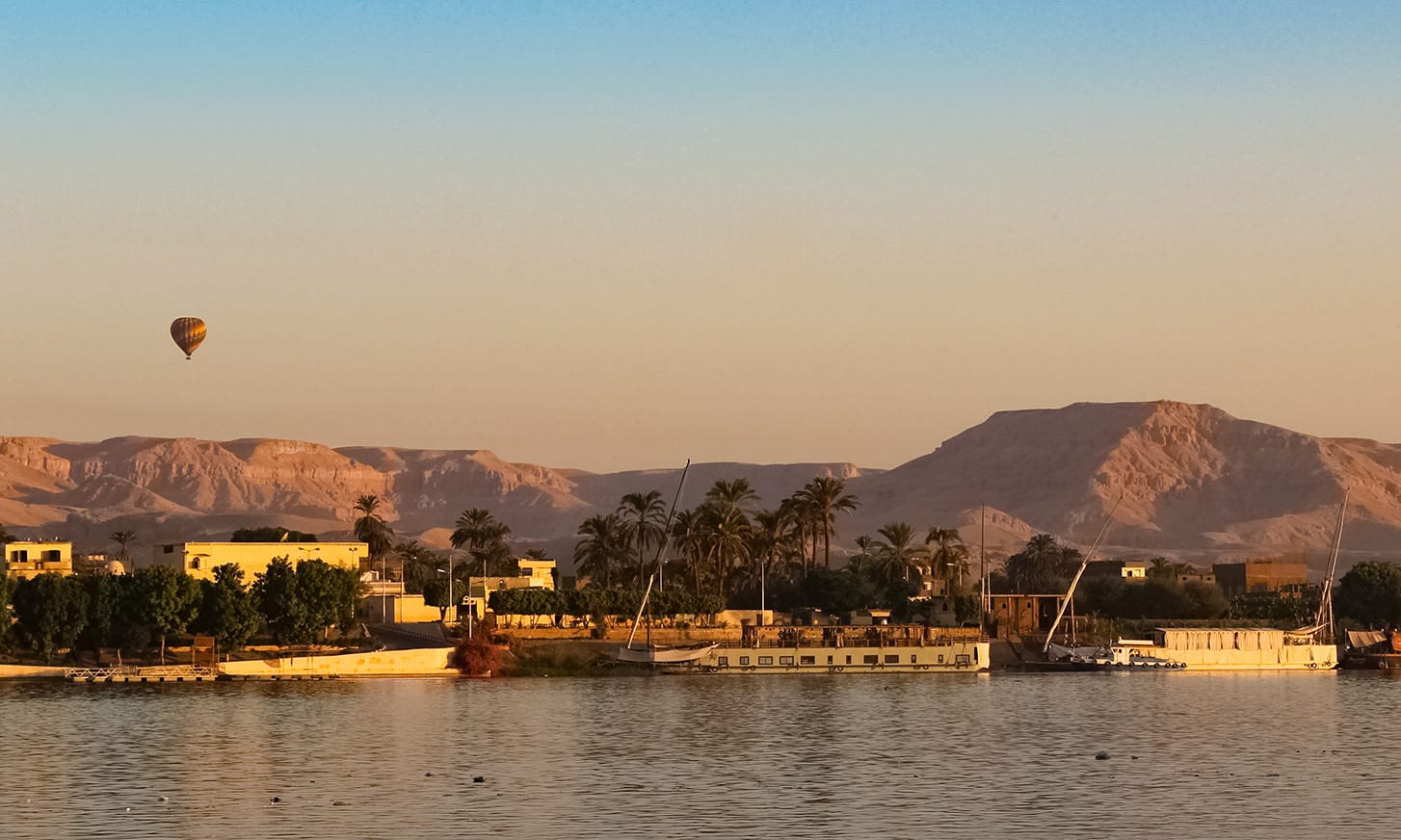






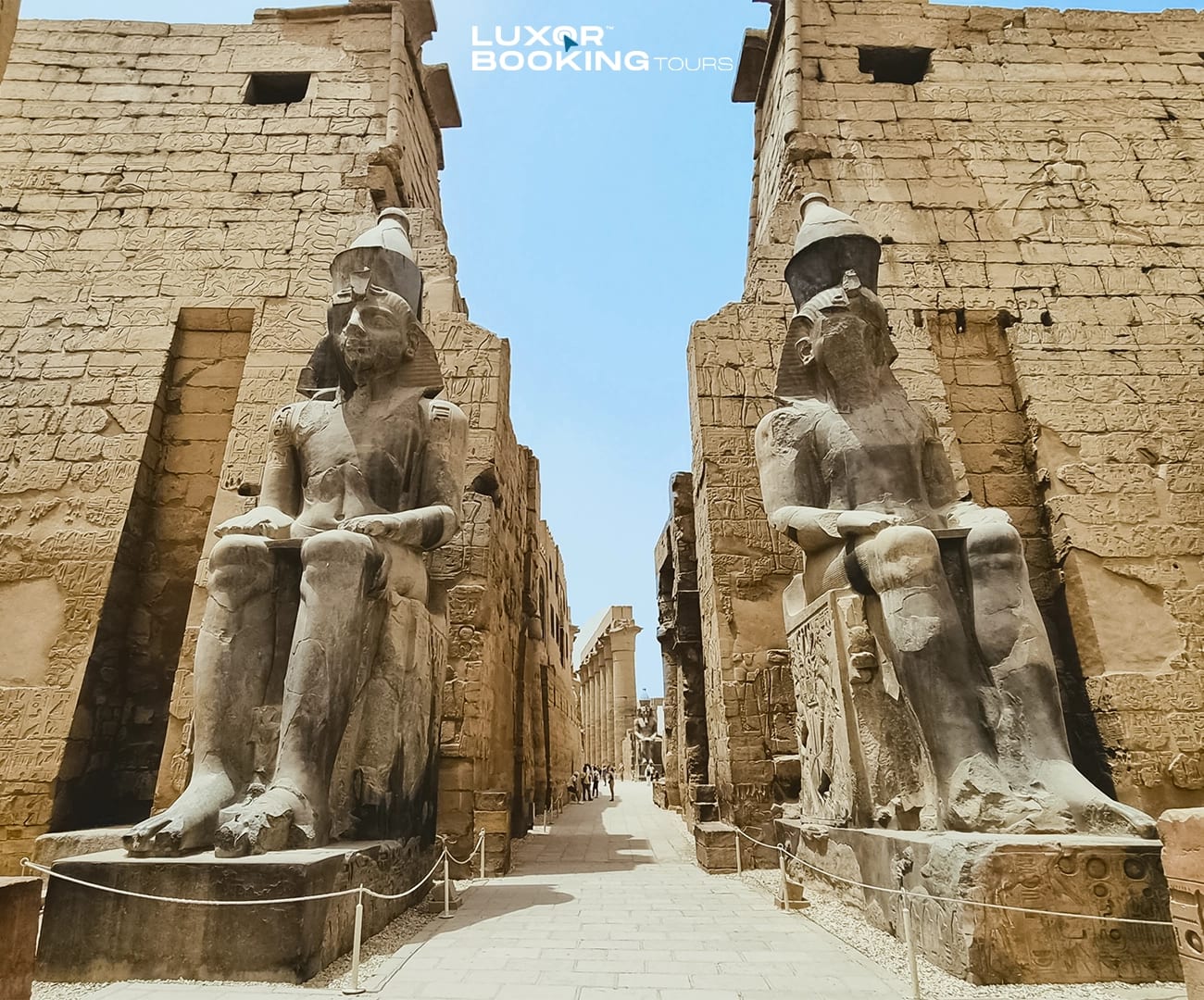


One of the most common planning mistakes in Luxor is trying to visit too many sites in a single day.
On paper, it looks possible.
The map doesn’t seem large, the list of attractions feels manageable, and the idea of “maximizing the day” sounds efficient.
But once you are actually there, the experience feels very different.
And that’s where the problem starts.
Luxor Is Not Measured by Distance
Many travelers assume that if locations are relatively close, they can visit more in less time.
But Luxor doesn’t work that way.
Each site is not just a stop—it is an experience that requires:
• Walking
• Observing
• Understanding
• Time to move through space
Even a single major site can take longer than expected.
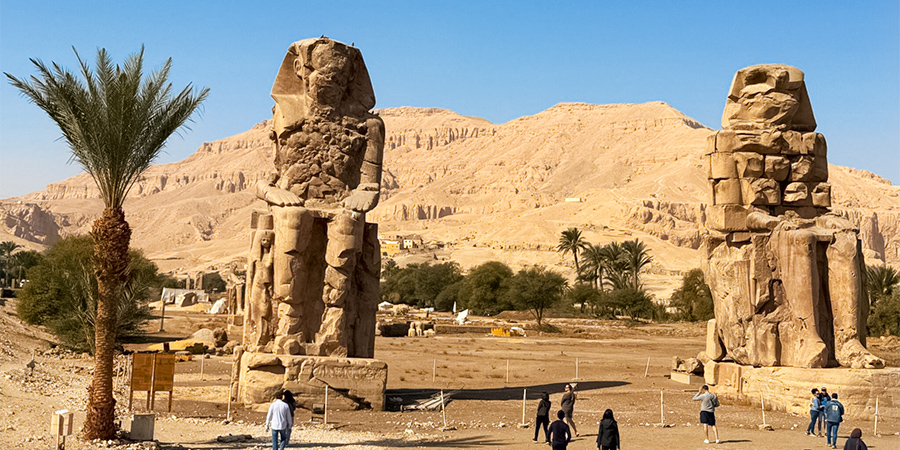
This is why counting sites instead of understanding time is a mistake.
What Happens When You Add Too Much
When your day includes too many locations, several things happen:
• You move constantly without pause
• You reduce time at each site
• You start focusing on “finishing” instead of experiencing
At first, this feels productive.
By the end of the day, it feels exhausting.
And more importantly, it reduces the quality of the entire experience.
The Difference Between 2 Sites and 5 Sites
The difference is not just quantity—it is the entire structure of your day.
With 2–3 sites:
• You have time to explore
• You can pause when needed
• The day feels controlled
With 5–6 sites:
• The day becomes a schedule
• Movement takes priority over experience
• Fatigue builds quickly
More sites do not create more value.
They create more pressure.
Why Time Feels Different in Luxor
In many destinations, you can visit multiple places quickly.
Luxor is different because:
• Sites are physically large
• Movement inside each site takes time
• The environment (heat + open space) slows you down
This means your energy is used faster.
And once energy drops, the experience changes.
The Ideal Number (Realistically)
For most travelers, a well-balanced day in Luxor includes:
• 2 major sites
OR
• 1 major site + 1–2 smaller visits
This allows:
• Enough time at each location
• Space for breaks
• A manageable pace
This is not a limitation—it is an optimization.
The Role of Energy, Not Time
Most itineraries are built around time.
But in Luxor, energy matters more.
You might have 8 hours available.
But your effective energy window is often much shorter.
Once fatigue starts:
• Focus drops
• Interest decreases
• The experience becomes mechanical
Planning based on energy—not just time—creates a better day.
The Impact of Heat and Timing
Another factor that changes everything is timing.
A site visited at:
• 8:00 AM → feels manageable
• 1:00 PM → feels exhausting
This affects how many locations you can realistically handle.
Early starts allow more flexibility.
Late starts reduce your capacity.
Why Slower Feels Better
A slower itinerary often feels more satisfying.
Because:
• You remember more
• You feel less pressure
• You stay engaged longer
Instead of moving quickly through many places, you experience fewer places more deeply.
This creates a better overall impression.
Common Mistake to Avoid
The biggest mistake is trying to “complete” Luxor.
It is not designed to be completed in a single day.
Trying to do so leads to:
• Rushing
• Fatigue
• Reduced enjoyment
Luxor is better approached as a series of experiences—not a checklist.
How to Build a Better Day
A well-structured day should:
• Start early
• Include limited key locations
• Allow time between visits
• Avoid unnecessary movement
This creates flow instead of pressure.
Final Thoughts
The question is not how many sites you can visit.
It is how many you can truly experience.
In Luxor, fewer sites often lead to a better day.
Because the value is not in how much you see—but in how much you absorb.
Related Experiences in Luxor
• Well-paced itineraries designed for comfort
• Private tours that focus on quality over quantity
• Flexible plans that adjust to your energy
Plan your day with balance, and Luxor becomes far more enjoyable than overwhelming.