Most first-time travelers arrive in Luxor with the same mindset:
“See as much as possible.”
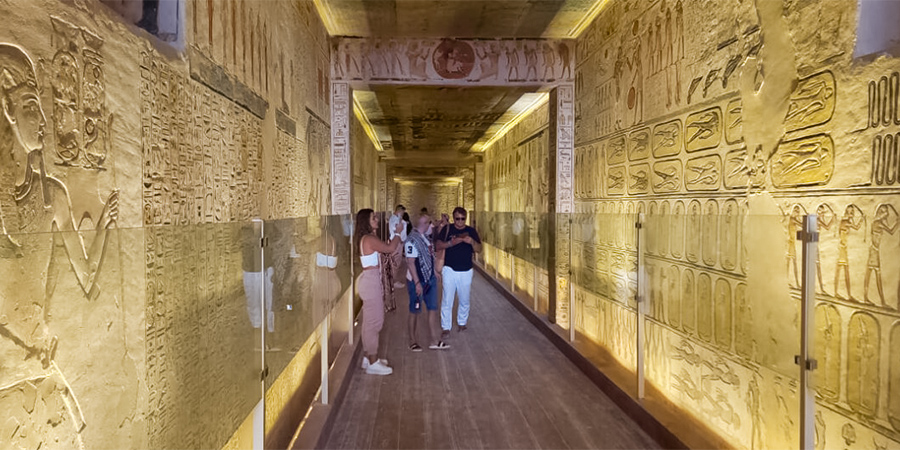
At first, this sounds reasonable.
Luxor is famous for:
• Large temples
• Ancient tombs
• Historic landmarks spread across the city
Naturally, travelers want to maximize their time.
But this mindset often creates the biggest mistake people make in Luxor.
They try to consume the destination instead of experience it.
And the difference between those two approaches changes everything.
Why the Mistake Happens So Often
The mistake usually begins before travelers even arrive.
When planning their trip, people see:
• Lists of attractions
• Recommended “must-see” sites
• Tight itineraries promising efficiency
This creates pressure.
Travelers begin to feel that every hour must be optimized.
As a result:
• Days become overloaded
• Breaks disappear
• Movement becomes constant
The trip turns into a schedule instead of an experience.
Luxor Creates a False Sense of “Manageability”
On maps and itineraries, Luxor can appear deceptively manageable.
The city itself does not seem extremely large.
But what many travelers fail to realize is that the real challenge is not distance—it is energy.
Each site involves:
• Walking
• Heat exposure
• Continuous mental attention
• Physical movement through large spaces
This changes how much you can realistically absorb in one day.
The Shift from Curiosity to Completion
At the beginning of the day, travelers are usually curious and engaged.
But once the itinerary becomes overloaded, something changes psychologically.
The focus slowly shifts from:
• Experiencing
to
• Completing
People stop asking:
“What am I feeling here?”
And start asking:
“What’s next?”
This shift is subtle, but it completely changes the emotional quality of the trip.
Why Rushing Damages the Experience
Luxor is not designed for speed.
The sites themselves encourage:
• Slower movement
• Observation
• Spatial awareness
When travelers rush:
• Details disappear
• Atmosphere is lost
• Sites begin blending together
By the end of the day, many people remember movement more than experience.
Ironically, trying to “see everything” often reduces how much travelers truly remember.
The Physical Impact Most People Underestimate
Many first-time visitors underestimate how physically demanding Luxor can feel.
Even travelers who are active and experienced often feel:
• More tired than expected
• Mentally overloaded
• Less focused by the afternoon
Heat amplifies this effect.
Once fatigue begins, the quality of the experience changes quickly.
Temples that felt impressive in the morning may feel exhausting later in the day.
The Difference Between Information and Experience
Another common issue is information overload.
Luxor contains enormous historical depth.
Trying to absorb:
• Dates
• Dynasties
• Architectural details
• Historical explanations
Across too many sites in one day becomes mentally exhausting.
Eventually, the brain stops processing effectively.
Travelers continue moving physically, but mentally they disconnect.
Why Slower Travelers Often Enjoy Luxor More
Interestingly, travelers who intentionally slow down often leave with stronger memories.
Not because they saw more.
But because:
• They stayed mentally present
• They had time to observe details
• They experienced less fatigue
These travelers often spend:
• Longer time in fewer places
• More time resting between visits
• Less energy trying to “optimize” everything
And as a result, the destination feels more meaningful.
The Emotional Side of the Mistake
There is also an emotional consequence to rushing.
When days become too structured and overloaded:
• Stress increases
• Patience decreases
• Curiosity disappears
Travel begins to feel like a task.
And once that happens, even extraordinary places lose their emotional impact.
Why This Mistake Is Hard to Notice in the Moment
Most travelers do not realize this mistake while it is happening.
At the time, the schedule may still feel productive.
The realization usually comes afterward.
People return home and think:
• “I barely had time to process anything.”
• “Everything feels blurred together.”
• “I wish I had slowed down more.”
This reflection happens surprisingly often in Luxor.
The Better Approach
A stronger approach to Luxor usually includes:
• Fewer major sites per day
• Earlier starts
• Time for recovery and slower moments
• Flexibility instead of rigid schedules
This creates:
• Better energy management
• Stronger emotional connection
• More memorable experiences
In Luxor, balance creates more value than quantity.
The Importance of Leaving Space in the Day
One of the smartest things travelers can do is leave space in the itinerary.
Not every hour should be occupied.
Unstructured time allows:
• Mental recovery
• Better observation
• More natural pacing
Without this space, the day becomes compressed and exhausting.
Why Luxor Rewards a Different Mindset
Luxor rewards travelers who approach it differently.
Not as something to finish.
But as something to experience gradually.
The people who enjoy Luxor most are often those who:
• Slow down
• Observe more carefully
• Accept that they cannot see everything perfectly
And once that mindset changes, the destination feels completely different.
Final Thoughts
The biggest mistake first-time travelers make in Luxor is trying to experience too much too quickly.
Not because they are careless—but because most itineraries encourage that behavior.
Luxor works better when approached with patience, balance, and realistic pacing.
You do not need to see everything for the trip to feel meaningful.
In fact, slowing down often creates the strongest memories of all.
Related Experiences in Luxor
• Well-paced itineraries designed for comfort and focus
• Private tours that reduce rushing and overload
• Flexible travel planning built around energy and timing
Approach Luxor with the right pace, and the experience becomes far more rewarding than exhausting.