





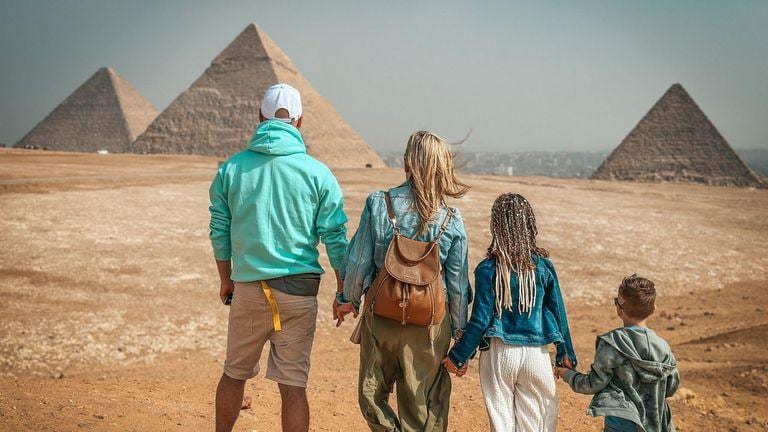
Imagine your child standing in front of the Great Pyramid of Giza for the first time.
They have seen pyramids in books, documentaries, and perhaps a dozen school projects. But nothing quite prepares them for the moment when those enormous limestone blocks rise above the desert, and the familiar picture suddenly becomes real.
A few days later, they might be sailing along the Nile, watching farmers work beside the river. In Luxor, they could discover a painted royal tomb. On the Red Sea coast, they might put on a snorkeling mask and see colorful fish swimming beneath the surface.
Egypt can be an extraordinary destination for families.
But traveling through Egypt with a four-year-old is not the same as traveling with a ten-year-old. And a successful family holiday requires more thought than simply booking the country's most famous attractions.
The real questions are practical.
What is the best age to visit Egypt with children? Is a Nile cruise suitable for families? How much sightseeing is too much? Can children ride in a hot air balloon? And how do you balance ancient temples with time to relax?
This guide answers those questions from the perspective of planning real family itineraries across Cairo, Luxor, Aswan, and the Red Sea.
The most important lesson is simple: Egypt becomes much more enjoyable for children when the itinerary is designed around their needs, rather than expecting them to follow an adult sightseeing schedule.
Is Egypt a Good Destination for Families?
Yes. Egypt offers a remarkable combination of history, culture, outdoor experiences, and beach holidays.
Few destinations allow children to explore ancient pyramids, see thousands of years of history in museums, sail on one of the world's most famous rivers, and swim in the Red Sea during the same holiday.
However, Egypt is not a destination where every activity suits every age.
Archaeological sites can involve substantial walking, uneven surfaces, steps, and limited shade. Long transfers may be tiring. Summer temperatures in Upper Egypt can be demanding.
These challenges do not mean families should avoid Egypt.
They mean the trip needs to be planned intelligently.
A private vehicle, carefully selected hotels, a knowledgeable guide, and a realistic daily schedule can make a substantial difference.
For families, comfort is not simply a luxury. It is often what allows everyone to enjoy the experience.
What Is the Best Age to Visit Egypt With Kids?
There is no universal minimum age for traveling to Egypt.
Families visit with babies, toddlers, school-age children, and teenagers. But the type of holiday that works best changes considerably with age.
For many families planning a history-focused itinerary, ages seven to twelve offer a particularly rewarding balance.
Children in this age group are often old enough to appreciate stories about pharaohs, understand what they are seeing, and manage moderate sightseeing days with breaks.
That does not mean younger children cannot enjoy Egypt. It simply means the itinerary should be different.
Egypt With Babies and Toddlers: Ages 0–3
Traveling with a baby or toddler is possible, but flexibility becomes essential.
A young child is unlikely to appreciate a long guided explanation inside a temple. They may also struggle with heat, disrupted sleep, or extended road journeys.
For this age group, we recommend fewer destinations, comfortable accommodation, reliable transport, and generous rest periods.
A relaxed stay in Cairo combined with a suitable Red Sea resort may work better than a fast-moving itinerary covering every major archaeological site.
If you want to visit Luxor or Aswan, consider a limited sightseeing program rather than a packed schedule.
Strollers may be useful in airports, hotels, and some modern attractions, but they are not practical on every archaeological site.
A suitable baby carrier may help in certain places, provided the weather and carrying conditions are appropriate.
Egypt With Preschoolers: Ages 4–6
Children between four and six may enjoy Egypt's visual excitement even when they cannot yet understand much of its history.
They can be fascinated by the pyramids, enormous statues, boats on the Nile, and colorful temple paintings.
The challenge is attention span.
Instead of a full-day itinerary with six archaeological stops, choose one or two memorable experiences and allow time for breaks.
A private guide who can tell short, engaging stories may be more valuable than a lengthy historical lecture.
For this age group, a combination of sightseeing and resort relaxation is often ideal.
Egypt With Children: Ages 7–12
This is one of the most rewarding age groups for a classic Egypt holiday.
Children may already know about Tutankhamun, mummies, pyramids, and hieroglyphs from school.
Seeing the real places can transform that knowledge into lasting memories.
They can participate in guided discussions, ask questions, and appreciate the difference between a royal tomb and a temple.
Families can consider a broader itinerary covering Cairo, Luxor, and Aswan, provided the pace remains manageable.
A Nile cruise may also be a good option.
Egypt With Teenagers: Ages 13–17
Teenagers can often enjoy a more varied itinerary.
In addition to archaeological sightseeing, they may be interested in snorkeling, photography, cultural experiences, and more active excursions.
However, it is important to involve them in planning.
A teenager who helps choose between a museum, a boat trip, and a beach day is more likely to enjoy the journey than one who feels every hour has already been decided.
Activities such as diving, quad biking, or other adventure experiences have their own age, training, and safety requirements.
Never assume that a teenager automatically qualifies as an adult participant.
Family Travel in Egypt: Age-by-Age Comparison
Child's age | Best approach | Experiences to consider | Main planning concern |
|---|---|---|---|
0–3 | Slow, flexible holiday | Resorts, short outings, gentle Nile experiences | Sleep, heat, transport, feeding |
4–6 | Short, visual experiences | Pyramids, selected temples, boat rides | Attention span and fatigue |
7–12 | Balanced cultural itinerary | Cairo, Luxor, Aswan, Nile cruise | Avoiding too many stops |
13–17 | History plus active experiences | Museums, temples, snorkeling, suitable adventures | Matching activities to interests and age rules |
These are travel-planning recommendations, not fixed rules. Every child is different.
The Best Places to Visit in Egypt With Children
1. Cairo and Giza: Where Ancient Egypt Comes Alive
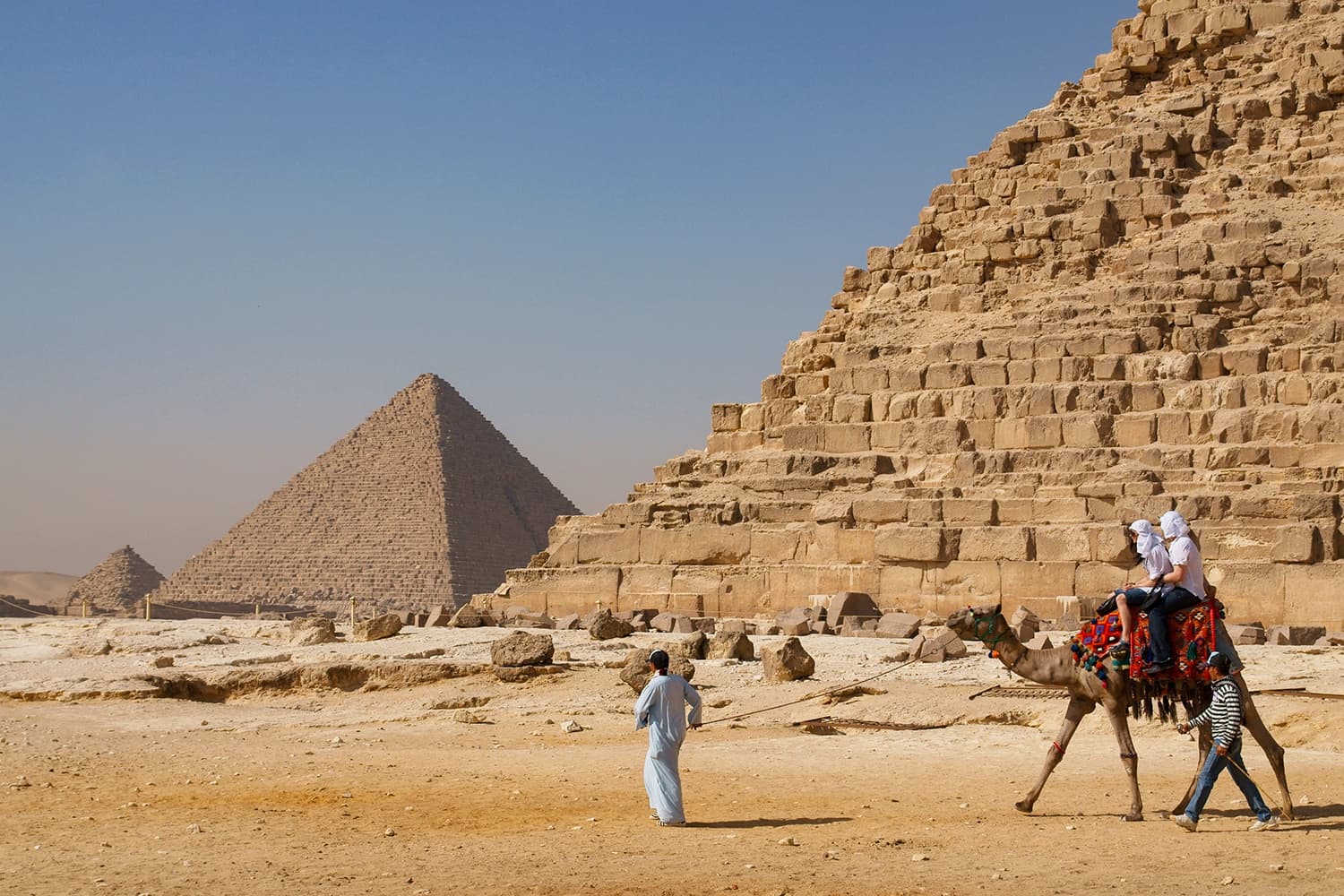
For many children, the Pyramids of Giza are the highlight of the entire holiday.
The scale is extraordinary, and the history is immediately recognizable.
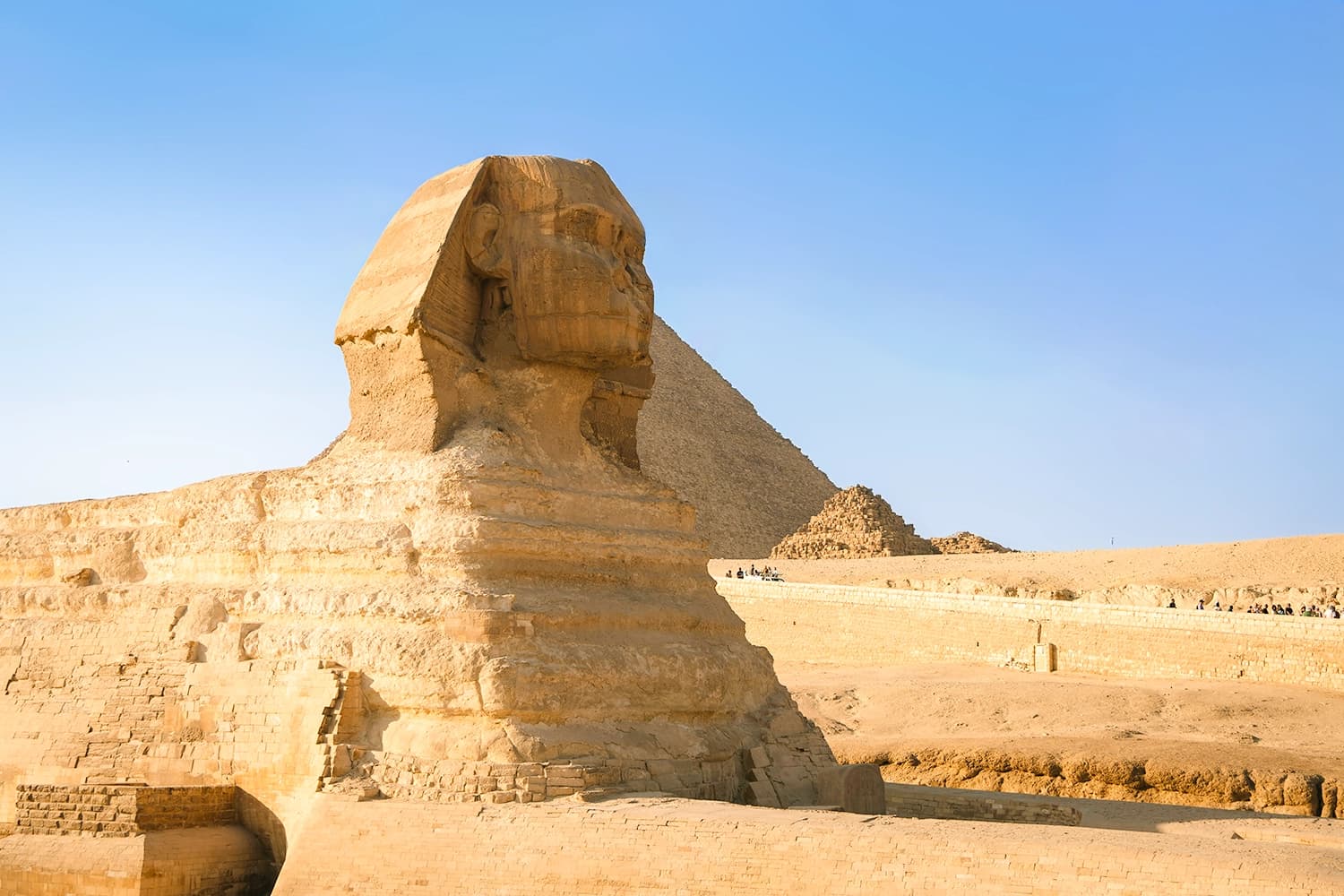
A family visit can include the Great Pyramid area, the Great Sphinx, and selected viewpoints across the plateau.
But there is no need to turn the day into an endurance test.
Walking distances, weather, and the children's energy levels should determine how much you explore.
Is Going Inside a Pyramid Suitable for Children?
It depends on the child.
Some pyramid interiors involve narrow passages, steep or low-ceilinged sections, and enclosed spaces.
They may be uncomfortable for younger children or anyone who dislikes confined environments.
Going inside a pyramid is not essential to appreciating Giza.
For many families, exploring the plateau and hearing the stories behind the monuments is a better experience.
The Grand Egyptian Museum
The Grand Egyptian Museum near Giza can be particularly rewarding for school-age children.
Its monumental architecture, large statues, and ancient objects provide an engaging introduction to Egyptian civilization.
The Tutankhamun Galleries are an obvious highlight for children interested in the famous young pharaoh.
However, the museum is extensive.
Rather than attempting to see every gallery, choose a selection of highlights suited to your children's interests.
A focused visit can be more memorable than several exhausting hours.
2. Luxor: The World's Greatest Open-Air History Lesson
Luxor is one of Egypt's most extraordinary destinations for families interested in ancient history.
The city and its surroundings contain temples, royal tombs, and monuments that reveal the achievements of ancient Egyptian civilization.
But Luxor also requires careful scheduling.
Many sites are outdoors, and summer heat can be intense.
Karnak Temple
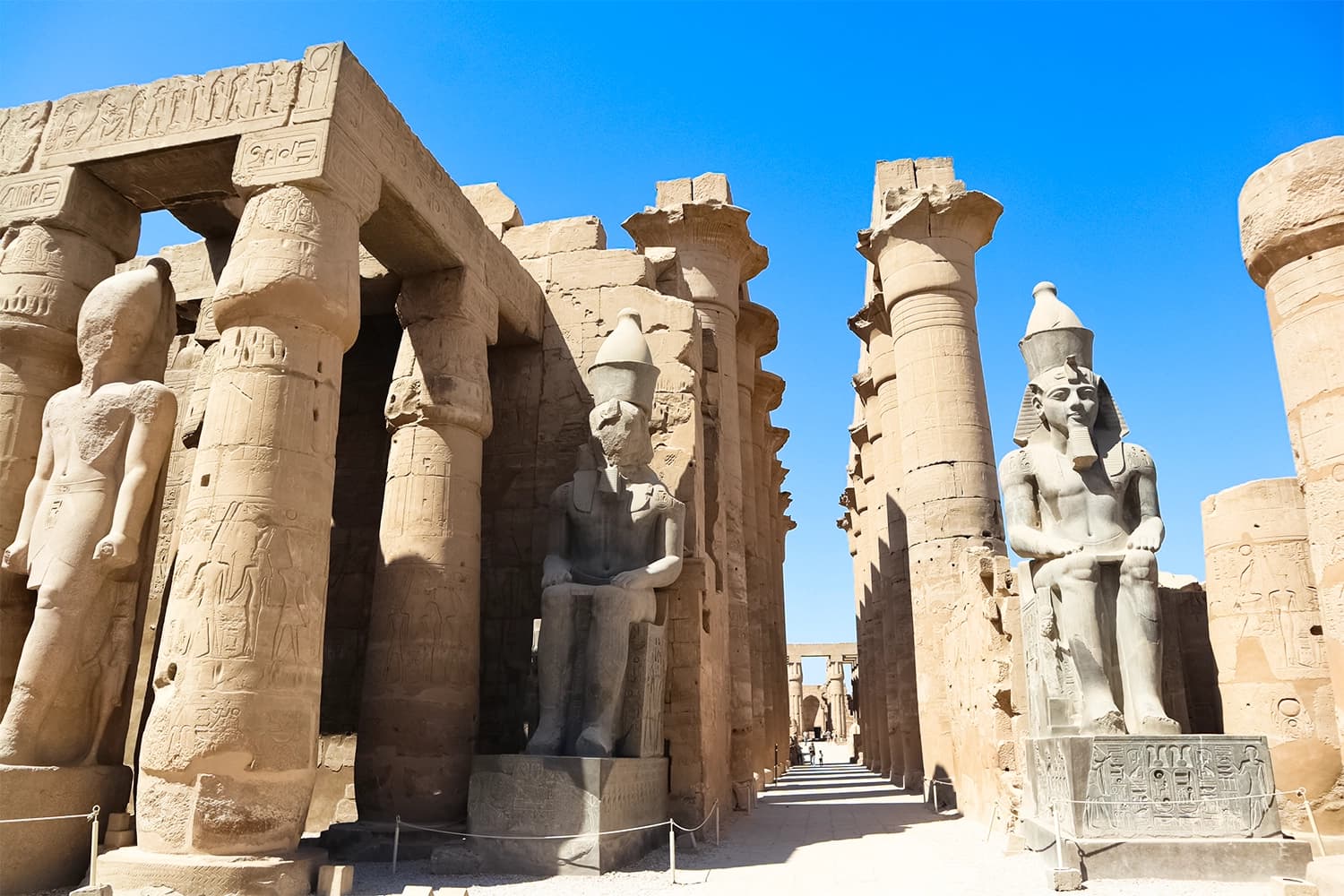
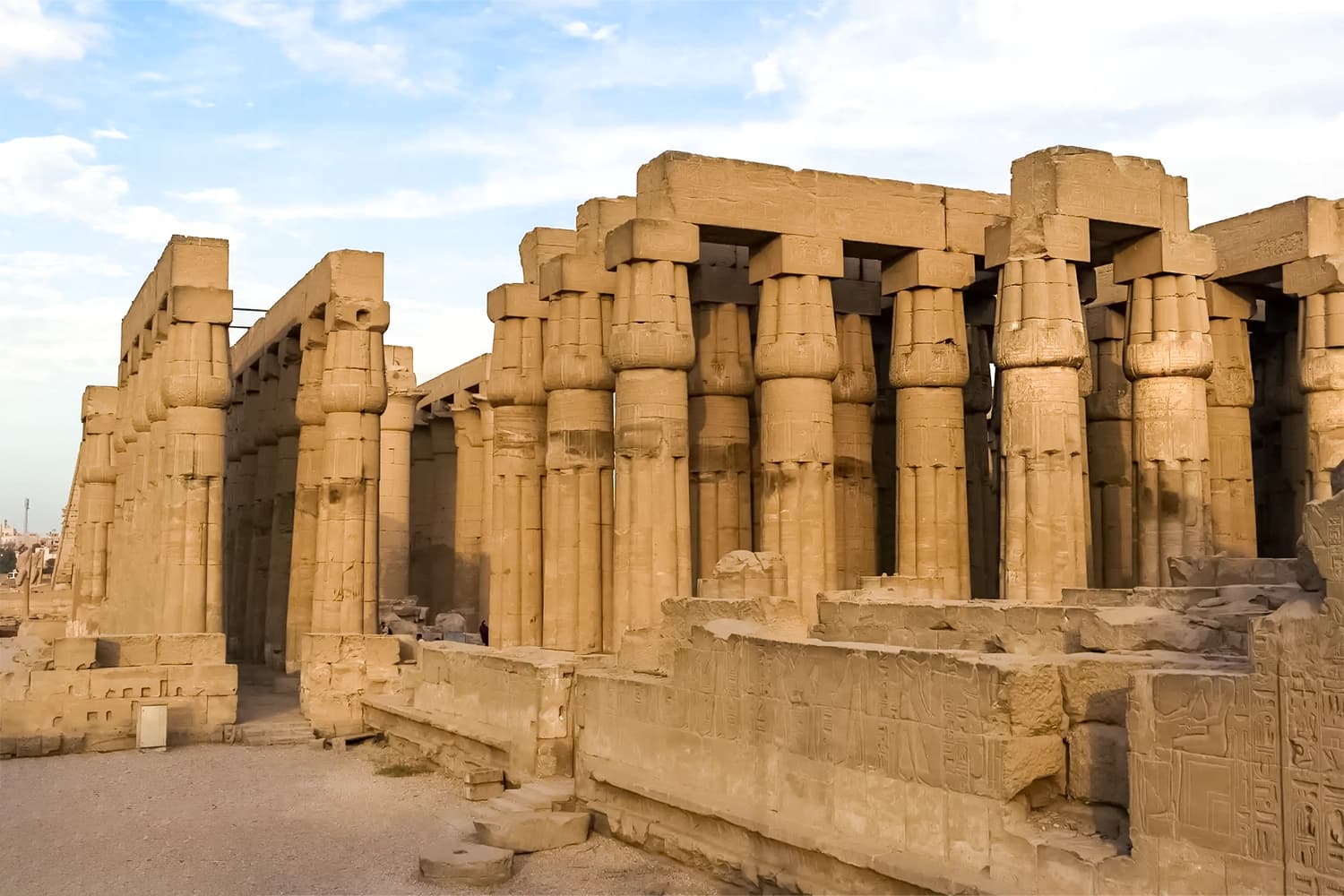
Karnak is a remarkable place for children to discover ancient Egyptian architecture.
Its enormous columns and monumental gateways make history feel tangible.
A guide can explain how the temple developed over centuries and why different pharaohs contributed to its construction.
For younger children, focus on a few impressive features rather than attempting to cover every historical detail.
Luxor Temple
Luxor Temple can be a manageable addition to a family itinerary.
Its central location and striking architecture make it a memorable experience.
Depending on the season and opening arrangements, an evening visit may be particularly appealing.
Valley of the Kings
For many school-age children, entering an ancient royal tomb is one of the most exciting moments of a visit to Egypt.
The colorful wall paintings, hieroglyphs, and underground passages create a powerful sense of discovery.
However, tomb access involves steps, confined spaces, and varying walking distances.
Not every tomb is equally suitable for every visitor.
A good family guide should help select the most appropriate open tombs and explain the stories before entering.
Additional tickets may be required for certain tombs.
Hatshepsut Temple
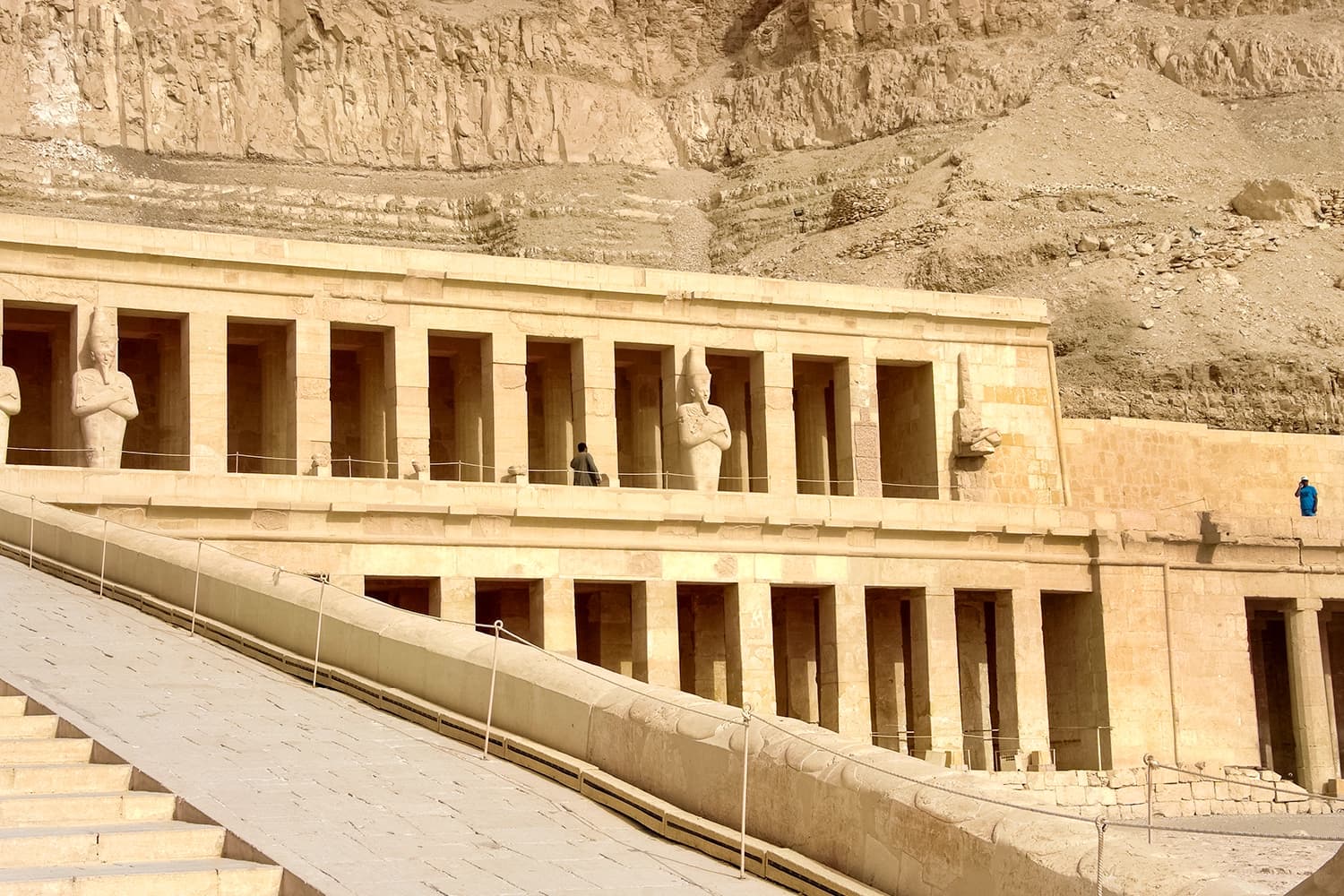
The terraced temple of Queen Hatshepsut is visually spectacular.
Its dramatic setting against the cliffs of Luxor's West Bank can appeal to children interested in architecture and royal history.
But the site offers limited shade in many areas, making timing important.
For families, an early start is usually preferable during warmer months.
3. Aswan: A Slower Side of Egypt
Aswan often feels different from Cairo and Luxor.
The Nile, islands, granite landscapes, and Nubian culture create a gentler atmosphere that can be especially appealing to families.
Philae Temple
Philae is one of the most family-friendly archaeological experiences in Upper Egypt.
The journey involves a boat transfer to the temple island, adding a sense of adventure before the sightseeing begins.
Children may enjoy the combination of water, history, and the temple's striking setting.
Life jackets and suitable boat arrangements should be confirmed, especially for younger children.
A Felucca Experience
A traditional felucca sail on the Nile can provide a welcome change of pace.
Instead of walking through another archaeological site, the family can enjoy the scenery and spend time together on the river.
The sailing experience depends on wind and weather conditions.
For children, boat safety and suitable supervision remain essential.
Nubian Cultural Experiences
A thoughtfully arranged Nubian village experience can introduce children to a different aspect of Egyptian life.
Local traditions, architecture, food, and cultural storytelling can be interesting for families.
Choose experiences that respect local communities and do not treat residents or their homes as attractions without consent.
4. Is Abu Simbel Worth Visiting With Children?
Abu Simbel is one of Egypt's most impressive archaeological sites.
The colossal statues of Ramesses II make a dramatic impression, even on travelers who have already visited the pyramids and Luxor's temples.
However, the journey from Aswan requires serious consideration.
A road excursion typically involves several hours of driving each way, often with a very early departure.
For younger children, that can be exhausting.
Our Recommendation
For families with toddlers or preschoolers, Abu Simbel may be better omitted unless it is a major priority.
For older children and teenagers who are enthusiastic about ancient Egypt, the experience may justify the journey.
If available and suitable for your dates, a flight-based arrangement may reduce road travel, but flight schedules and operating availability must be confirmed.
The important question is not whether Abu Simbel is worth seeing.
It is whether the journey fits your family's energy, interests, and overall itinerary.
5. Is a Nile Cruise Good for Families?
A Nile cruise can be one of the most comfortable ways to explore Upper Egypt with children.
Instead of changing hotels repeatedly, families stay aboard a vessel while traveling between destinations along the river.
Meals and accommodation are organized in one place, and sightseeing follows the cruise itinerary.
For school-age children, this can create an enjoyable balance between exploration and relaxation.
But not every Nile cruise is equally suitable for families.
What Parents Should Check Before Booking
Cabin configuration: Can the vessel accommodate your family in one cabin, connecting cabins, or another suitable arrangement?
Children's rates: Does the operator charge by age, bed occupancy, or cabin configuration?
Swimming pool: Is there a pool, and what supervision or safety arrangements are available?
Excursion schedule: Are early departures and long sightseeing days appropriate for your children?
Meals: Can the vessel accommodate dietary needs or food allergies?
Stairs and deck access: Are the facilities appropriate for younger children or anyone with mobility needs?
Sailing schedule: Does the cruise's direction and duration fit the family's wider itinerary?
A cruise that looks attractive in photographs may not be the best choice if its cabin layout or excursion schedule is unsuitable.
Four-Day or Five-Day Nile Cruise?
A four-day, three-night itinerary commonly sails from Aswan toward Luxor.
A five-day, four-night itinerary commonly sails from Luxor toward Aswan.
These are common formats, not universal rules.
The better option depends on the sailing schedule, sightseeing program, and your arrival and departure plans.
For families, an extra night can sometimes make the journey feel less rushed, but the daily excursion schedule matters more than the headline number of days.
What About a Dahabiya With Children?
A dahabiya offers a smaller, more intimate Nile sailing experience.
It can be wonderful for families seeking a quieter atmosphere.
However, some dahabiyas have limited cabin configurations, fewer onboard facilities, or minimum-age restrictions.
The smaller size also means that privacy, safety arrangements, and access to suitable cabins should be checked carefully.
A dahabiya is not automatically better or worse for families than a conventional Nile cruise.
It is a different experience.
6. Can Children Ride in a Hot Air Balloon in Luxor?
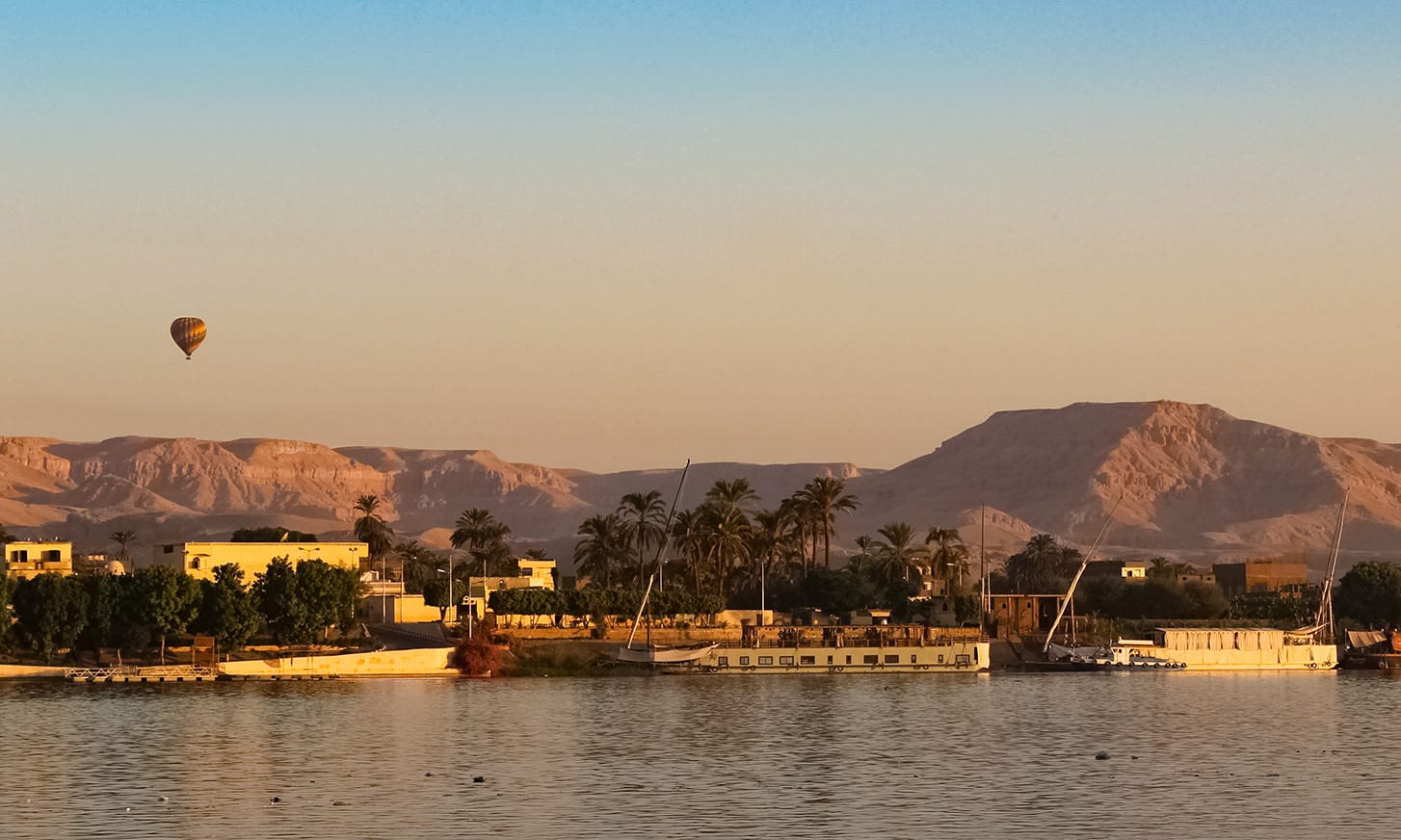
A sunrise hot air balloon flight over Luxor can be a remarkable experience.
The views across the Nile, fields, temples, and desert landscape are unforgettable.
However, hot air ballooning is not suitable for every child.
For Luxor Booking Tours' balloon excursions, the minimum permitted age is six years.
Children under six cannot participate.
For children aged six to under twelve, our standard child pricing policy provides a 50% discount on the applicable adult rate, subject to the confirmed booking terms.
Children must also meet any applicable operational, safety, and participation requirements.
These are the policies for our relevant excursion arrangements; other operators may have different requirements.
Is a Balloon Ride Suitable for a Six-Year-Old?
Age eligibility is only the starting point.
A child should be comfortable with the early departure, the height of the flight, standing in the basket, and following safety instructions.
The pilot and operator retain responsibility for operational safety decisions.
Weather conditions can also cause postponements or cancellations.
For families with younger children, a sunrise experience on the ground may be a better alternative.
7. Red Sea Holidays With Children
After several days of temples and museums, a Red Sea stay can be exactly what a family needs.
Hurghada, El Gouna, Soma Bay, and other coastal resort areas offer opportunities for beach relaxation, swimming, and marine activities.
The best destination depends on the type of holiday you want.
Hurghada
Hurghada offers a wide range of resorts and organized excursions.
It can work well for families who want a combination of beach time and optional activities.
El Gouna
El Gouna may appeal to families seeking a resort-town environment with restaurants, beaches, and organized leisure options.
The suitability of individual hotels and activities varies.
Soma Bay
Soma Bay can be attractive for families who prefer a more resort-focused stay and access to marine experiences.
It is also well positioned for certain excursions toward Safaga.
Snorkeling With Children
Snorkeling can be exciting for children who are comfortable in the water.
But age, swimming ability, sea conditions, and the operator's rules must determine participation.
Life jackets, suitable equipment, and close supervision are essential.
Some boat excursions have minimum ages or specific child pricing bands.
Do not assume every snorkeling tour is suitable for toddlers.
Orange Bay and Utopia Island
These excursions can provide memorable beach experiences.
Orange Bay is a beach destination on Giftun Island near Hurghada.
Utopia Island is a separate destination near Safaga.
For families, the best choice may depend on hotel location, transfer time, boat facilities, and how long the children will spend at sea.
A beautiful beach is not worth an unnecessarily exhausting journey.
8. Desert Safaris and Quad Biking With Kids
Desert activities can be exciting for older children and teenagers, but the safety requirements are important.
Not every desert excursion permits children of all ages.
For example, under Luxor Booking Tours' current excursion policies:
Activity | Child participation policy |
|---|---|
Hot air balloon | Under 6 not permitted; ages 6–11 receive 50% child discount |
Selected desert quad excursion | Under 6 not permitted; ages 6–11 may participate as passengers at child rate; ages 12–15 as passengers at adult rate; driving permitted from 16, subject to operator requirements |
Selected 4x4 stargazing excursion | Under 4 not permitted; ages 4–5 may participate free; ages 6–11 receive child pricing; ages 12+ charged adult rate |
Selected Utopia boat excursion | Under 6 may be free; ages 6–11 receive child pricing; ages 12+ charged adult rate |
These policies apply to the specified Luxor Booking Tours products and should not be interpreted as universal rules for all Egyptian excursions.
The operator must confirm suitability, availability, and safety conditions for the actual booking.
For children, a supervised 4x4 excursion may be more appropriate than an activity involving independent vehicle operation.
9. When Is the Best Time to Visit Egypt With Kids?
For many families, the cooler months are the most comfortable time to explore Egypt's archaeological sites.
October to April
This period generally offers more manageable sightseeing conditions, especially in Luxor and Aswan.
However, winter evenings can be cool, and popular holiday periods may be busy.
May and September
These months can work for families, but temperatures in Upper Egypt may be high.
Early sightseeing and afternoon breaks become increasingly important.
June to August
Summer can be extremely hot in Luxor and Aswan.
Families traveling during school holidays should plan carefully.
If summer is your only option, consider shorter sightseeing sessions, air-conditioned transport, and more time at coastal resorts.
The best season also depends on where you are going.
A beach holiday and an archaeology-focused itinerary do not necessarily have the same ideal travel dates.
10. How Many Days Do You Need in Egypt With Children?
For a first family visit, we generally recommend allowing enough time to avoid constant packing and moving.
Five to Six Days: A Focused Introduction
Choose one or two regions rather than attempting to see the entire country.
For example, Cairo and the Red Sea can combine pyramids with relaxation.
Alternatively, Cairo and Luxor can work for families particularly interested in history.
Seven to Nine Days: A Balanced Cultural Trip
A week or slightly longer can allow families to experience Cairo and Upper Egypt.
The itinerary should include realistic travel days and opportunities to rest.
Ten to Fourteen Days: History and Beach Time
For many international families, this is an excellent length for a first comprehensive visit.
You can combine Cairo, Luxor, Aswan or a Nile cruise, and a Red Sea stay.
The additional time helps reduce the pressure to rush between attractions.
11. Sample Seven-Day Egypt Itinerary With Kids
This example is designed for a family with school-age children who enjoy history.
Day 1 — Arrive in Cairo
Private airport transfer and hotel check-in. Keep the day relaxed.
Day 2 — Giza Pyramids and the Sphinx
Explore the plateau with a family-friendly Egyptologist. Allow time for photographs and rest.
Day 3 — Grand Egyptian Museum
Enjoy a focused museum visit. Avoid trying to cover every gallery.
Day 4 — Travel to Luxor
Take a suitable domestic flight or another confirmed transport arrangement. Enjoy a relaxed afternoon.
Day 5 — Luxor's West Bank
Visit selected tombs in the Valley of the Kings and Hatshepsut Temple, with breaks as needed.
Day 6 — Karnak and Luxor Temple
Explore the major East Bank sites at a comfortable pace.
Day 7 — Departure or onward travel
Transfer according to your flight schedule.
This itinerary intentionally avoids squeezing Aswan and Abu Simbel into a short visit.
If those destinations are priorities, extend the trip.
12. Sample Ten-Day Egypt Family Holiday
For families who want history and relaxation, a ten-day itinerary can offer a more balanced experience.
Day | Destination | Family experience |
|---|---|---|
1 | Cairo | Arrival and rest |
2 | Giza | Pyramids and Sphinx |
3 | Cairo | Grand Egyptian Museum |
4 | Luxor | Travel and relaxed afternoon |
5 | Luxor | Valley of the Kings and Hatshepsut |
6 | Luxor | Karnak and Luxor Temple |
7 | Red Sea | Private transfer and resort check-in |
8 | Red Sea | Beach or pool day |
9 | Red Sea | Optional suitable marine excursion |
10 | Departure | Transfer to departure airport |
This is an illustrative itinerary, not a fixed package or a promise that every transfer is included.
Families who want a Nile cruise should consider a longer itinerary or replace some of the land-based sightseeing days.
13. Private Tours vs Group Tours: Which Is Better for Families?
A shared group tour can be an economical way to visit popular attractions.
However, fixed schedules can be difficult with younger children.
A private tour offers greater flexibility.
Your family can adjust the pace, take breaks, and focus on the experiences that interest the children.
A knowledgeable guide can adapt explanations to different ages.
For example, a discussion of ancient Egyptian religion that fascinates adults may be too complicated for a seven-year-old.
A good family guide can tell the same story in a way that makes sense to both.
Why Private Transport Matters
Private transport can make a significant difference in Egypt.
It allows the family to travel together, keep essential belongings close, and avoid unnecessary waiting.
However, parents should confirm child-restraint arrangements in advance.
A private vehicle does not automatically include a child seat.
The correct seat must be requested and confirmed according to the child's age, height, and weight.
14. Family Hotels: What to Check Before Booking
A hotel described as family-friendly may not provide everything your family needs.
Before confirming accommodation, check the room configuration.
Some hotels permit a young child to share existing bedding, while others require an extra bed or a larger room.
Connecting rooms may be available only on request and may not be guaranteed.
If you are traveling with a baby, confirm whether a suitable cot can be provided.
Also consider swimming-pool safety, elevators, restaurant options, and the distance between the hotel and the main attractions.
For families with young children, a comfortable hotel with reliable facilities can be more valuable than an impressive location that creates daily logistical difficulties.
15. What Should Families Know About Food and Drinking Water?
Egyptian cuisine can be enjoyable for children.
Simple dishes such as rice, grilled chicken, bread, pasta, and well-cooked vegetables are often familiar enough for younger travelers.
However, food and water precautions are important.
Choose reliable dining establishments and food that is freshly prepared and properly cooked.
Use sealed bottled or otherwise reliably treated drinking water.
For infants, take particular care when preparing formula and cleaning bottles.
Young children can become dehydrated quickly if they develop diarrhea.
Parents should seek professional medical advice before traveling about appropriate precautions and what to do if a child becomes unwell.
16. Heat, Sun Protection, and Hydration
Heat is one of the most important practical considerations for families visiting Egypt.
Children may become tired or dehydrated more quickly than adults.
Plan outdoor sightseeing early in the day during warmer periods.
Carry sufficient drinking water and take regular breaks in shaded or air-conditioned areas.
Use suitable sun protection, hats, and lightweight clothing.
Never leave a child unattended in a vehicle.
If a child becomes unusually lethargic, dizzy, confused, or unwell in the heat, stop the activity and seek appropriate medical help.
The most memorable family holiday is not the one with the longest sightseeing schedule.
It is the one where everyone remains comfortable enough to enjoy the journey.
17. Safety Tips for Traveling in Egypt With Children
Egypt can be a rewarding family destination, but sensible precautions are essential.
Road Travel
Use reliable transport with functioning seat belts.
Confirm child seats in advance.
Avoid unnecessary long road journeys, particularly when children are already tired.
Archaeological Sites
Stay together, follow site rules, and supervise children around steps, uneven surfaces, and restricted areas.
Do not allow children to climb monuments or enter closed sections.
Boats and Swimming
Confirm life-jacket availability and supervise children closely.
Never assume that a shallow beach, hotel pool, or calm river is risk-free.
Swimming in the Nile is not recommended because of water-quality and other health risks.
Animals
Avoid touching unfamiliar animals, including stray dogs and cats.
Do not allow children to approach animals without appropriate supervision.
Busy Public Areas
Agree on a family meeting point and ensure older children know how to contact you.
Keep identification and emergency contact details accessible.
Health Preparation
Consult a healthcare professional before departure regarding vaccinations, medications, and any individual health needs.
Review official travel advice for your nationality and destinations.
18. Visas and Travel Documents for Children
Children traveling to Egypt generally need their own valid travel documents.
Visa requirements depend on nationality, passport type, and other circumstances.
Egypt's official e-Visa portal allows parents to submit applications for children through a parent's account, where eligible.
Families should verify the requirements applicable to every traveler before departure.
If a child is traveling with only one parent, or with an adult who is not a legal guardian, additional consent or custody documentation may be advisable or required depending on the circumstances.
Check the requirements of the relevant authorities and airlines.
Do not leave these arrangements until the final days before travel.
19. How Much Does a Family Trip to Egypt Cost?
Family travel costs depend on the itinerary, season, hotel standard, transportation, and children's ages.
A family of four traveling privately will have a different cost structure from a couple, but some expenses can be shared.
For example, private vehicle and guide costs may be distributed across family members.
Accommodation and Nile cruise pricing can be more complicated because of room and cabin occupancy rules.
Are Children Free at Egyptian Attractions?
Not automatically.
Some hotels, tours, and excursions offer free or discounted rates for children.
Others apply age-based ticket categories or require payment for an additional bed.
Airlines, museums, cruise vessels, and excursion operators may each use different age bands.
A child who qualifies for a discount on one service may be charged the adult rate on another.
For an accurate quotation, provide each child's exact date of birth and the travel dates.
This avoids unpleasant surprises later.
20. The Most Common Family Travel Mistakes in Egypt
Trying to Visit Too Many Cities
Frequent hotel changes and long transfers can overwhelm younger children.
Booking Full-Day Sightseeing Every Day
Children need downtime.
Underestimating the Heat
A manageable itinerary in January may be unsuitable in July.
Assuming All Tours Accept Young Children
Balloon flights, desert activities, and marine excursions have different participation requirements.
Choosing a Nile Cruise Without Checking Cabins
Family occupancy and connecting-cabin arrangements vary.
Forgetting Child Seats
Always request and confirm the correct vehicle restraint.
Assuming a Private Tour Means Everything Is Included
Entrance fees, meals, domestic flights, and optional experiences should be clearly specified.
Ignoring Children's Interests
A family trip works best when children have something to look forward to each day.
21. How to Make Ancient Egypt Interesting for Children
A good family itinerary should turn history into stories.
Instead of presenting Karnak as a collection of dates and architectural terms, introduce the pharaohs who built it.
At the Valley of the Kings, explain why tombs were hidden in the mountains and how ancient Egyptians imagined the afterlife.
At the pyramids, talk about the people who constructed them and the questions archaeologists still study.
At the Grand Egyptian Museum, focus on objects that reveal how people lived, worked, played, and prepared for important ceremonies.
Encourage children to ask questions.
Let them choose a favorite statue or hieroglyph.
And do not worry if they remember the boat ride to Philae more vividly than the temple's exact construction date.
That is part of traveling with children.
The goal is not to turn a holiday into an examination.
It is to create curiosity.
Planning Your Family Holiday With Luxor Booking Tours
At Luxor Booking Tours, we believe a family holiday in Egypt should be designed around the people traveling, not simply around a list of famous attractions.
Our private Egypt experiences can be tailored to your children's ages, your preferred pace, and the destinations you most want to explore.
We can help you plan sightseeing in Cairo, Luxor, and Aswan, explore suitable Nile cruise options, and combine cultural experiences with time on the Red Sea coast.
For families with younger children, we recommend shorter sightseeing days and comfortable transport.
For families with older children and teenagers, we can create a more varied itinerary with history, cultural experiences, and suitable activities.
Before confirming any excursion, we check the relevant age requirements and operating arrangements.
Explore our Egypt Family Holidays and Private Egypt Tours, or contact Luxor Booking Tours to plan an itinerary designed around your family.
Frequently Asked Questions
Is Egypt suitable for children?
Yes. Egypt can be an excellent family destination when the itinerary, accommodation, and activities are appropriate for the children's ages and needs.
What is the best age to take kids to Egypt?
For a history-focused holiday, ages seven to twelve are particularly rewarding. Younger children can also enjoy Egypt with a slower, more flexible itinerary.
Can you visit Egypt with a toddler?
Yes, but prioritize comfort, short outings, reliable transport, and rest periods.
Is Luxor good for children?
Yes, especially for school-age children interested in ancient history. Plan early sightseeing during warm weather and avoid excessive walking.
Is the Grand Egyptian Museum good for kids?
It can be excellent for children, particularly those interested in Tutankhamun and ancient Egyptian history. A focused visit is usually better than trying to see every gallery.
Can children visit the Valley of the Kings?
Yes, subject to site rules and the suitability of individual tombs. Some tombs involve steps and confined passages.
Is a Nile cruise suitable for families?
Many Nile cruises can accommodate families, but cabin arrangements, children's rates, and onboard facilities vary.
Can a five-year-old ride a hot air balloon in Luxor?
Not on Luxor Booking Tours' balloon excursions. Our minimum permitted age is six years.
Can children go snorkeling in the Red Sea?
Some excursions accommodate children, depending on age, swimming ability, equipment, sea conditions, and operator rules.
Is Abu Simbel suitable for children?
Older children who enjoy history may find it rewarding, but the long journey from Aswan can be tiring, particularly for younger children.
Is Egypt too hot for children in summer?
Upper Egypt can be extremely hot in summer. Families should reduce outdoor sightseeing, schedule early visits, and plan adequate rest and hydration.
Do children need visas for Egypt?
Requirements depend on nationality and travel documents. Check official entry rules for each child before traveling.
Are child seats available in private transfers?
They may be available by prior arrangement. Always request and confirm the appropriate child seat before booking.
How many days should a family spend in Egypt?
Seven to fourteen days can work well for many families, depending on how many destinations they want to visit.
Are private tours worth it for families?
Private tours can offer valuable flexibility, particularly for families who need breaks, shorter visits, or a customized pace.
Final Thoughts: The Best Egypt Family Trip Is the One That Fits Your Children
Years after a family holiday, children rarely remember how many temples they visited.
They remember moments.
The first glimpse of the pyramids.
A painted tomb hidden beneath the desert hills.
The feeling of sailing along the Nile.
A colorful fish appearing beneath the water.
Or a conversation with a guide who made a pharaoh's story feel real.
Egypt offers all of these experiences and more.
But the secret to enjoying them is not trying to see everything.
It is choosing the right experiences, at the right pace, for the children traveling with you.
With thoughtful planning, Egypt can become far more than a family holiday.
It can become the place where a child's curiosity about the world truly begins.
الرحلات المرتبطة
استكشف الرحلات اليومية والبرامج السياحية والنايل كروز المرتبطة بهذا الدليل.
يبدأ من $187
USD / شخص
جولة خاصة في أهرامات الجيزة والمتحف المصري الكبير
قم بزيارة أهرامات الجيزة وأبو الهول ومعبد الوادي مع عالم مصريات خاص، ثم استكشف المتحف المصري الكبير.
 8 ساعات
 عند الطلب
 جولة إرشادية خاصة
يبدأ من $169
USD / شخص
جولة خاصة إلى أهرامات الجيزة والمتحف المصري الكبير من العين السخنة
سافر من فندقك في العين السخنة لاستكشاف أهرامات الجيزة وأبو الهول والمتحف المصري الكبير مع عالم مصريات خاص.
- 9–11 ساعة
- الاستلام والعودة من فنادق العين السخنة
- أهرامات الجيزة والمتحف المصري الكبير
يبدأ من $90
USD / شخص
البر الشرقي بالأقصر | جولة خاصة في معبد الكرنك ومعبد الأقصر
اكتشف مجمع معبد الكرنك الضخم ومعبد الأقصر الأنيق مع عالم الآثار المصري الخاص بك، ونقل خاص مكيّف، ووتيرة مشاهدة مرنة مدتها أربع ساعات.
- 4 ساعات
- يومياً
- جولة إرشادية خاصة
يبدأ من $189
USD / شخص
جولة خاصة في البر الشرقي والغربي للأقصر من الجونة
سافر من فندقك في الجونة لزيارة الكرنك ووادي الملوك ومعبد حتشبسوت مع عالم مصريات خاص، مع وقفة للتصوير عند تمثالي ممنون.
- 15–17 ساعة
- الاستلام والعودة من فنادق الجونة
- الكرنك ووادي الملوك
يبدأ من $179
USD / شخص
رحلة يومية خاصة إلى البرين الشرقي والغربي في الأقصر من سوما باي
غادر سوما باي في لقاء خاص استثنائي مع طيبة القديمة يشمل الكرنك ووادي الملوك وحتشبسوت.
- 12–15 ساعة
- يومياً
- جولة إرشادية خاصة