Many travelers assume that a Luxor tour itinerary is simply a list of sites arranged into a day. In reality, the quality of an itinerary determines whether Luxor feels inspiring or exhausting. Two programs may include the same locations, yet deliver completely different experiences.
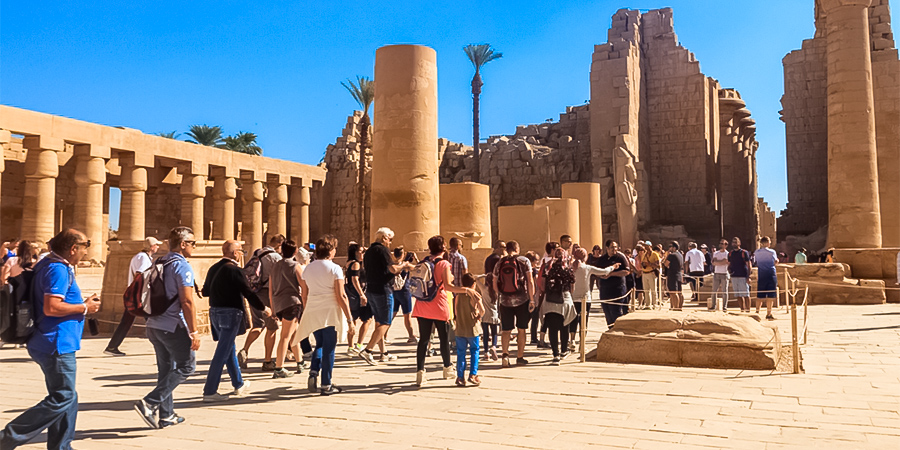
Experienced travelers judge itineraries by structure, logic, and flow—not by how many sites appear on the list.
Why a List of Sites Is Not an Itinerary
A poor itinerary focuses only on what is visited. A good itinerary focuses on how those visits connect. Timing, sequence, rest, and explanation matter as much as the sites themselves.
Programs that rush from one location to another without narrative or pacing often leave travelers confused rather than fulfilled.
The Importance of Logical Flow
Luxor has a natural rhythm shaped by geography and symbolism. A well-designed itinerary respects this flow. Moving between sites in a logical order reduces fatigue and helps travelers understand how locations relate to each other.
Bad itineraries ignore flow and prioritize convenience or speed over experience.
How Timing Reveals Quality
Timing is one of the clearest indicators of itinerary quality. Strong itineraries schedule demanding sites early and leave lighter experiences for later. Poor ones place physically intense visits at the hottest or busiest hours.
Experienced travelers quickly notice when timing works against them.
Balanced Pacing Versus Overloading
A good itinerary includes intentional pauses. These pauses allow travelers to absorb what they see and recover mentally. Overloaded itineraries remove breathing space, turning remarkable sites into background noise.
Experienced travelers value balance more than volume.
Explanation as Part of the Design
Explanation should be built into the itinerary, not treated as an optional extra. Knowing why a site matters and how it fits into the larger picture transforms the visit.
Bad itineraries assume travelers will “figure it out” on their own.
Flexibility as a Sign of Professional Planning
Quality itineraries allow room for adjustment. Weather, energy levels, and interest can shift during the day. Programs designed with flexibility respond smoothly instead of breaking down.
Rigid schedules often indicate poor planning.
Warning Signs of a Weak Itinerary
Experienced travelers watch for red flags:
• Too many major sites in one session
• No mention of rest or transitions
• Vague timing descriptions
• Focus on quantity rather than experience
These signs usually lead to rushed visits and surface-level impressions.
What Experienced Travelers Look For Instead
Strong itineraries communicate clarity. They explain why sites are chosen, how the day flows, and what the traveler should expect. This transparency builds confidence and trust.
A good itinerary feels intentional rather than accidental.
Why Itinerary Quality Shapes the Entire Luxor Experience
Luxor’s depth requires structure. A well-designed itinerary allows travelers to engage fully without feeling overwhelmed. Poor planning, on the other hand, can make even the greatest sites feel repetitive.
Choosing the right itinerary is one of the most important decisions a traveler makes in Luxor.
Related Experiences in Luxor :
• Professionally designed Luxor day tours
• Private itineraries built around flow and pacing
• Custom programs focused on depth, not volume
Choose a Luxor itinerary designed with intention, and the city reveals its story naturally and clearly.