Luxor is often described as the spiritual capital of Egypt. While this may sound symbolic, the idea has deep historical and cultural roots.
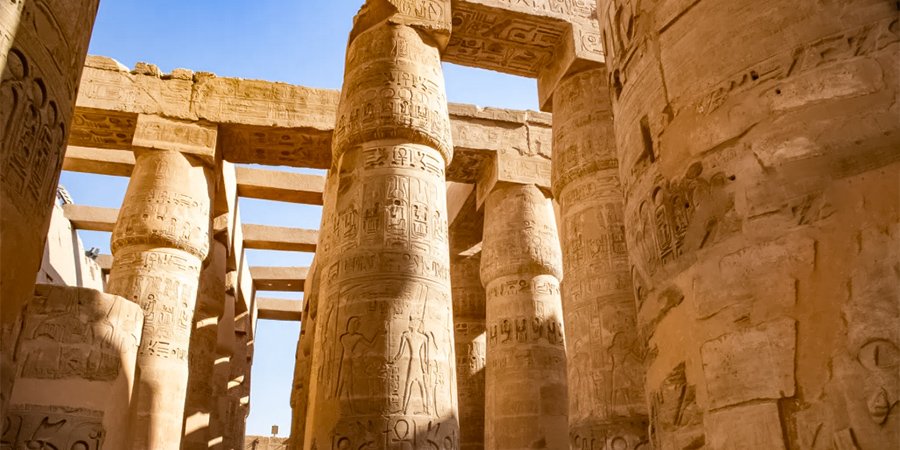
Understanding why Luxor carries this reputation requires looking beyond its monuments and into the meaning behind them.
The Historical Role of Luxor in Ancient Egypt
In ancient times, Luxor—known as Thebes—was not just a political center. It was also a major religious and ceremonial hub.
Many important rituals and beliefs were connected to this area.
The city played a central role in:
• Religious ceremonies
• Royal traditions
• Concepts of life and the afterlife
This strong connection between place and belief is one reason Luxor is seen as spiritually significant.
The Connection Between Life and the Afterlife
One of the defining features of Luxor is the way it reflects ancient Egyptian views of existence.
The city is divided naturally:
• Areas associated with daily life
• Areas associated with death and transformation
This symbolic structure represents a deeper idea of balance and continuity.
For many visitors, this adds a layer of meaning beyond what is physically visible.
Sacred Architecture and Symbolism
The temples and tombs of Luxor were not built randomly.
They were designed with:
• Symbolic alignment
• Structured pathways
• Intentional spatial organization
These elements were meant to guide movement, thought, and experience.
Even today, visitors often feel that these spaces have a different atmosphere.
Why Modern Travelers Use the Term “Spiritual”
Today, the word “spiritual” is used in a broader sense.
Travelers are not necessarily referring to religion, but to:
• A sense of connection
• A feeling of calm or reflection
• The impact of being in a place with deep history
Luxor naturally creates these conditions.
The Influence of Environment and Scale
Luxor is not a crowded urban environment.
It offers:
• Open landscapes
• Quiet surroundings in certain areas
• Large, immersive sites
This allows visitors to slow down and experience the space more deeply.
In contrast to fast-paced travel, Luxor can feel more grounded.
Experience Depends on Approach
Not every traveler feels this “spiritual” aspect.
The experience depends on:
• Pace of travel
• Time spent at each location
• Level of attention and awareness
Fast, rushed visits often miss this dimension completely.
A more structured and balanced itinerary makes it easier to experience it.
Common Misunderstanding
Some people assume that Luxor has a mystical or unexplained energy.
In reality, what most visitors feel comes from:
• Historical depth
• Architectural design
• Environmental conditions
Understanding this helps set realistic expectations.
Final Thoughts
Luxor is called the spiritual capital of Egypt because of its deep connection to ancient beliefs, symbolism, and atmosphere.
It is not about mystery—it is about meaning.
For travelers who approach it with time and awareness, Luxor offers an experience that goes beyond traditional sightseeing.
Related Experiences in Luxor
• Private tours that allow time for deeper exploration
• Well-paced itineraries designed for meaningful visits
• Flexible Luxor experiences focused on comfort and flow
Take your time in Luxor, and you may begin to understand why it holds such a unique reputation.